In an austere girls’ boarding school, two young students steal a chemical substance from a pharmacy, intending to secretly administer it at night, albeit as a joke, to a very strict and disliked governess. However, the next morning the woman is found poisoned, and some claim that a hissing sound like a rattlesnake was heard in her room during the night.
Some clues point to the two students, the ones who clashed most with the victim. But the young police inspector leading the investigation isn’t convinced by this theory and wants to delve deeper into the relationships between the various boarding school residents. (Wikipedia/Italian)
The following text is a translation of the Italian Wikipedia entry
Il serpente a sonagli is a 1935 Italian mystery film directed by Raffaello Matarazzo, now considered a lost film. As no surviving print is known to exist, information about the production is limited to contemporary reviews, historical records and recollections from those involved. Film historian Angela Prudenzi notes that the film has effectively disappeared from view, a fate shared by several of Matarazzo’s works from the 1930s. Actress Andreina Pagnani, who played one of the principal roles, later described it as an attempt to make an Italian giallo, placing the production among the early examples of the country’s crime and mystery cinema.
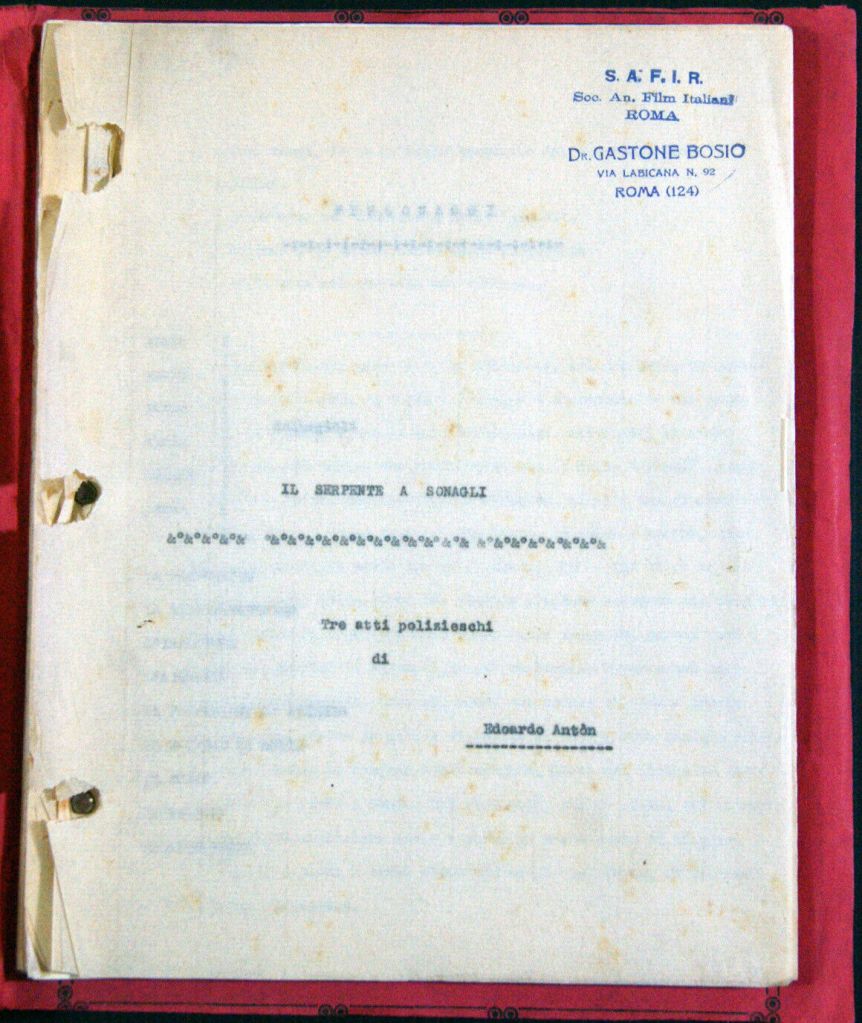
The film was based on the mystery play of the same name by Edoardo Anton, which had been successfully staged in early 1935 by Romano Calò’s Spettacoli gialli theatre company before also receiving a radio adaptation. Anton contributed to the screenplay alongside Guglielmo Giannini and Matarazzo himself. The collaboration between these three writers would form part of a productive working relationship, with Anton and Giannini subsequently contributing, separately, to six other films directed by Matarazzo during the pre-war period. The production team also included Gastone Bosio as production manager, following his involvement in Matarazzo’s earlier film Treno popolare, a work that had received favourable critical attention but a less enthusiastic response from audiences.
Filming took place at the S.A.F.A. studios in Rome, beginning in late June 1935 and concluding in September. The production subsequently completed the necessary censorship procedures, receiving its clearance in October of that year. The film featured an ensemble cast that included Nino Besozzi, Paolo Stoppa, Andreina Pagnani, Lilla Brignone, Mercedes Brignone and Vanna Vanni. Contemporary critics offered differing assessments of the finished work. Some praised the film’s atmosphere and the director’s increasingly assured handling of the material. L’Illustrazione Italiana and the Rivista del Cinematografo were among the publications whose assessments recognised a greater maturity in Matarazzo’s direction, despite the conventional nature of the subject. Other reviewers were less enthusiastic, arguing that the film lacked the tension, boldness and dramatic energy associated with successful mystery stories. Nevertheless, its measured pacing, gentle humour and occasional comic touches were also acknowledged as strengths.
Despite these contemporary responses, Il serpente a sonagli subsequently received relatively little attention in studies of Matarazzo’s career. Its disappearance, together with the nature of the film itself, has made a detailed reassessment difficult, and even Prudenzi’s monograph on the director devotes only a brief discussion to it. As with much of Italian cinema produced during the 1930s, no reliable official figures are available concerning the film’s commercial performance, and surviving sources offer no substantial evidence from which its financial results can be reconstructed. Today, the film remains a largely inaccessible entry in Matarazzo’s early career, its historical significance resting principally on contemporary documentation and its place within the development of Italian mystery cinema.
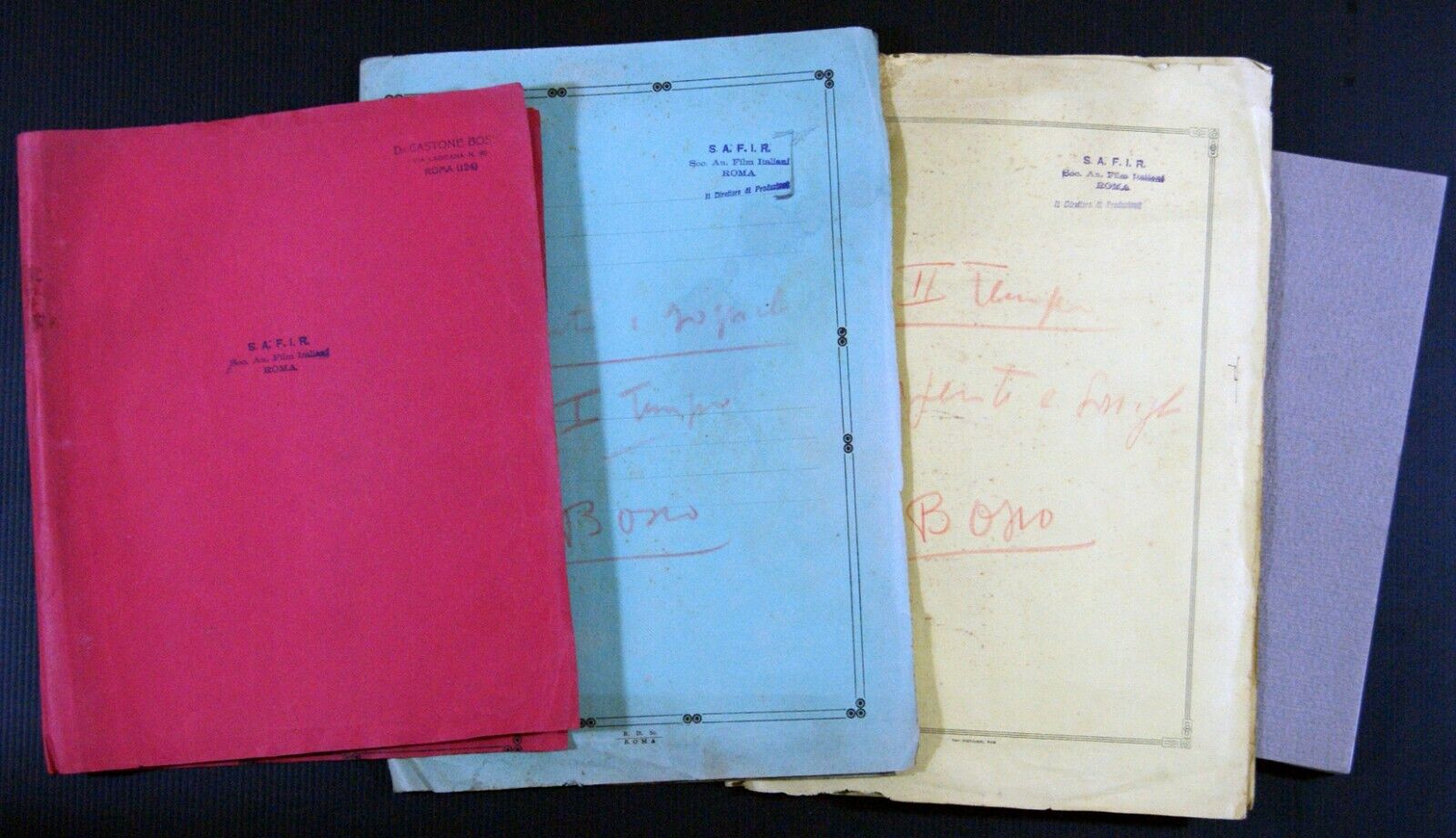
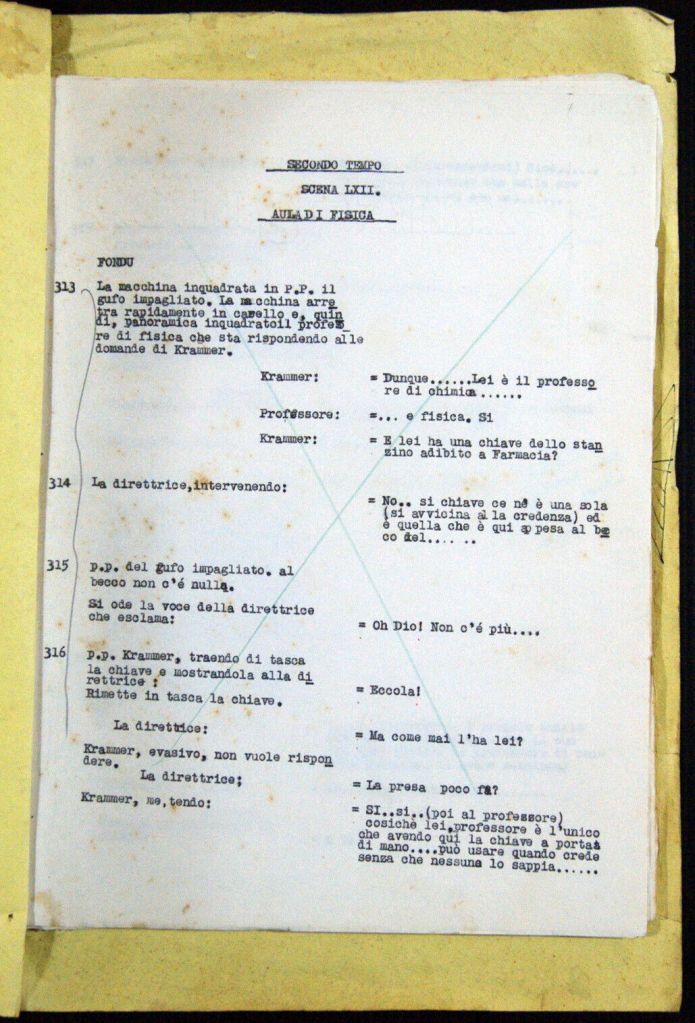
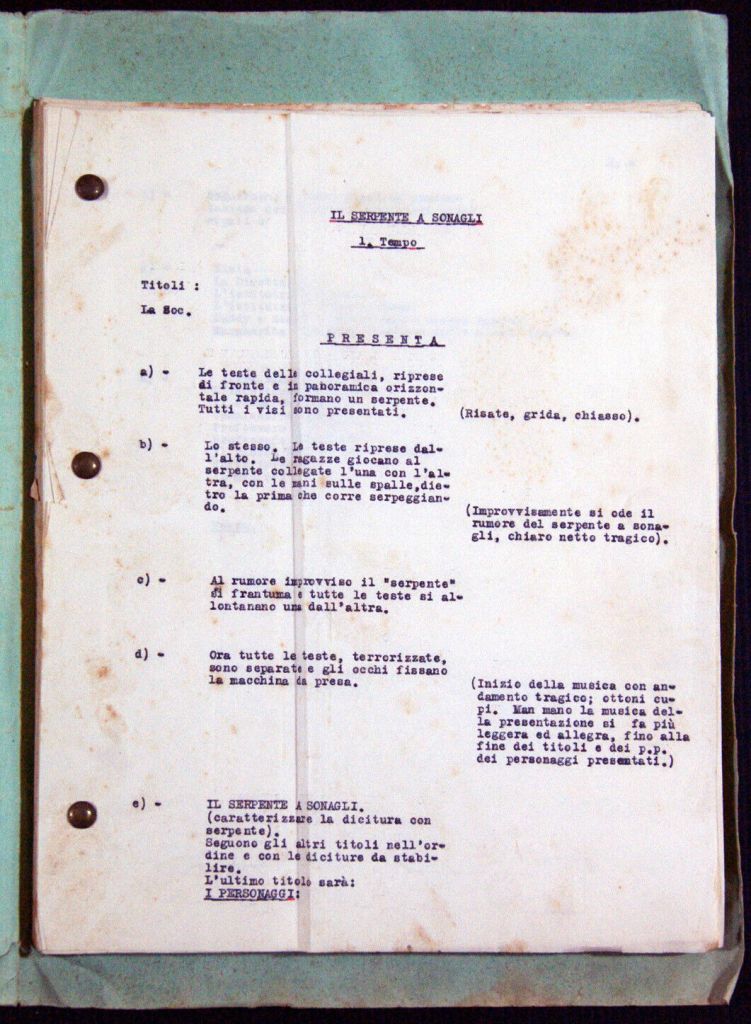
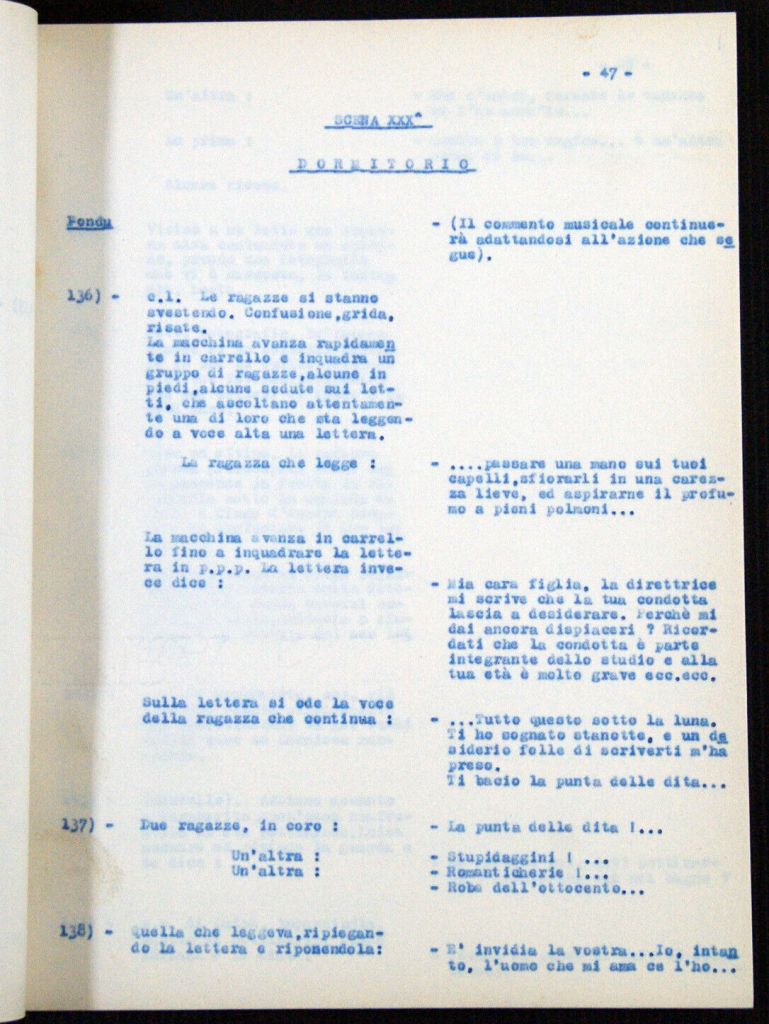
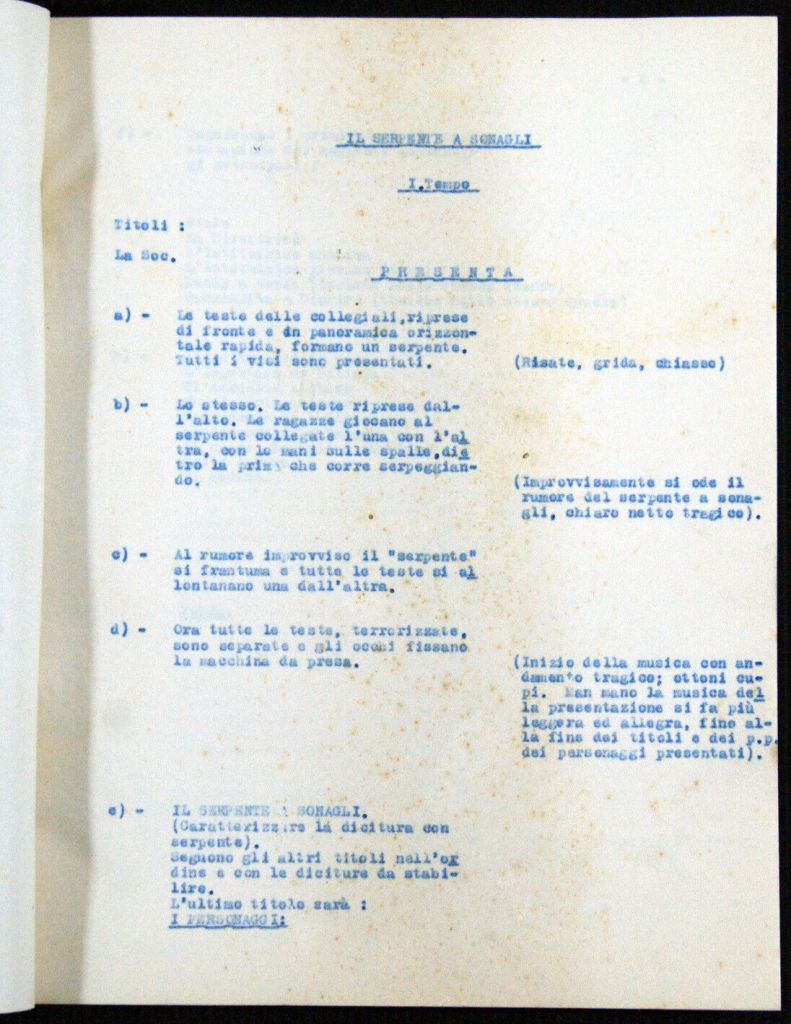
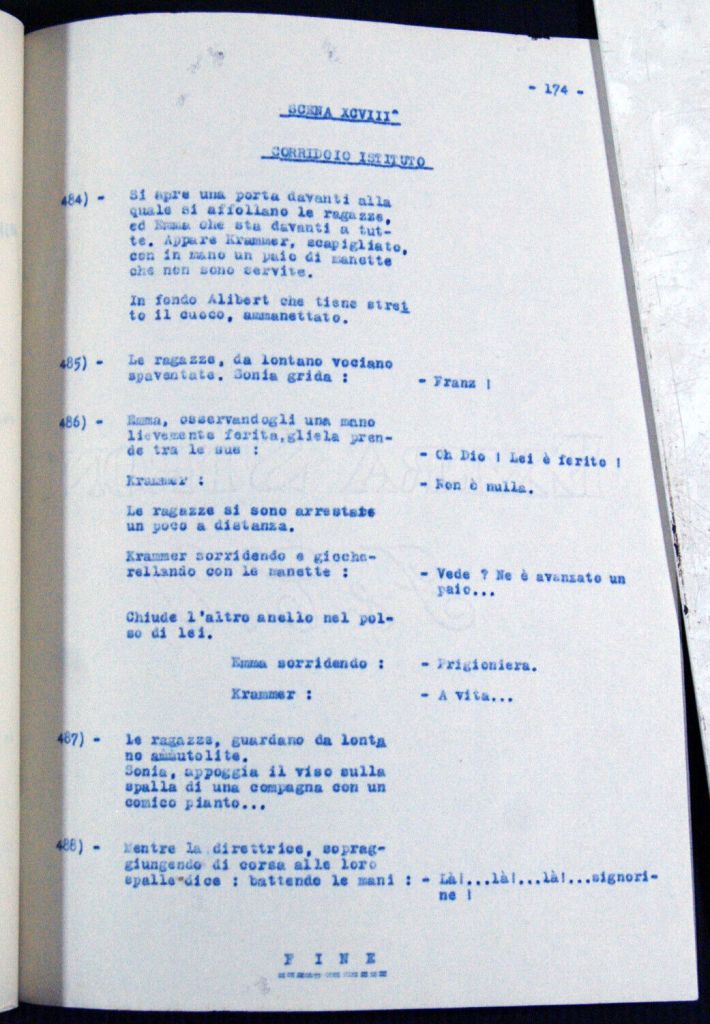
The film may not have survived but a complete copy of the shooting script has appeared on eBay courtesy of poster.it
Auction Photos


Pingback: Giallo Filmography | One Man and His Droid