After kidnapping Mirella (Nada Fiorelli), the charming daughter of the elderly Professor Moreau (Gero Zambuto), Zagomar (Nino Crisman), the elusive masked criminal who terrorizes Paris while continually making fools of the police, sets his sights on the scientist’s latest and most astonishing invention: a machine capable of stopping the passage of time.
The professor, however, finds an unexpected ally in the hapless Macario, a penniless young man whom he had saved from a suicide attempt a few days earlier and subsequently appointed as his assistant — and guinea pig — for his experiments. (Fantafilm)
Erminio Macario biography courtesy of Wikipedia/Link
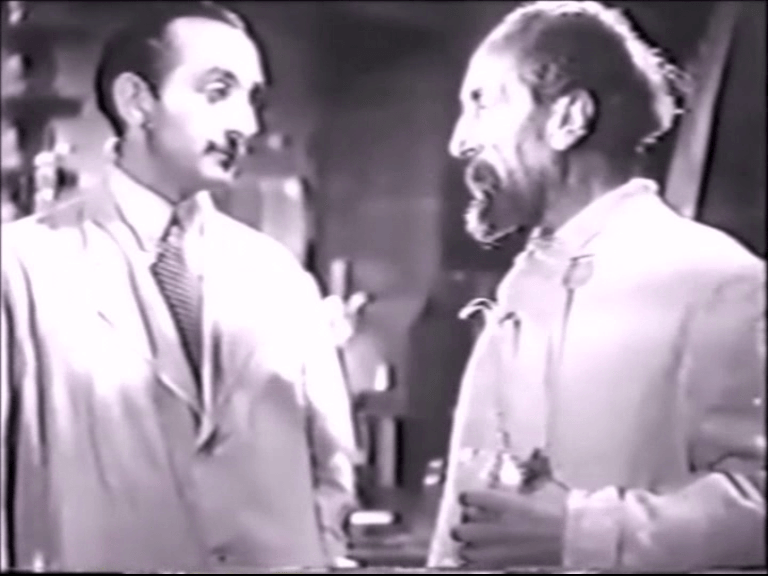
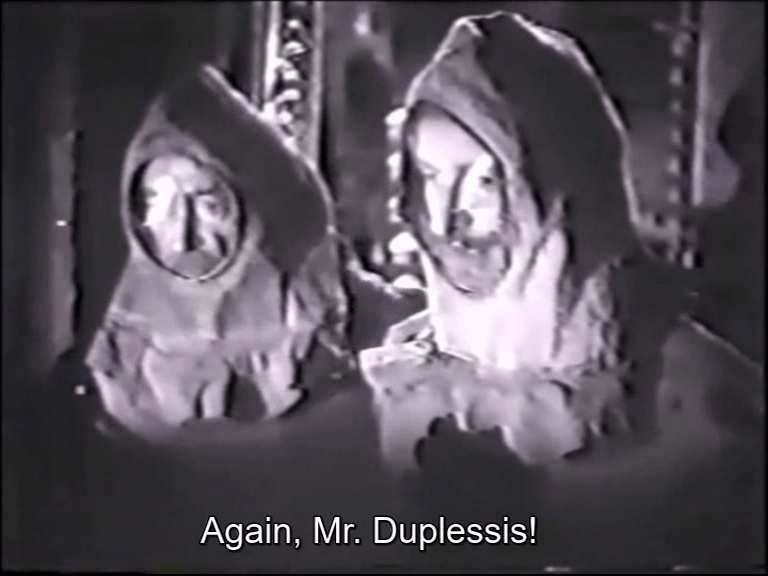
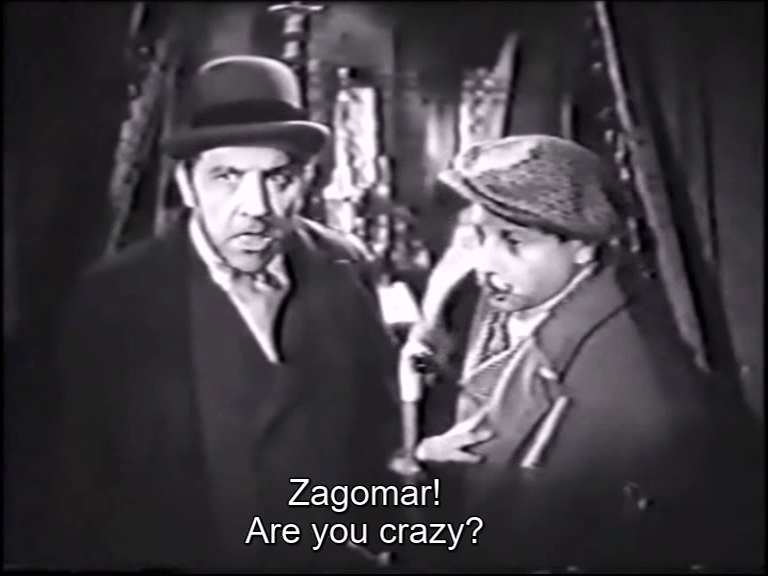
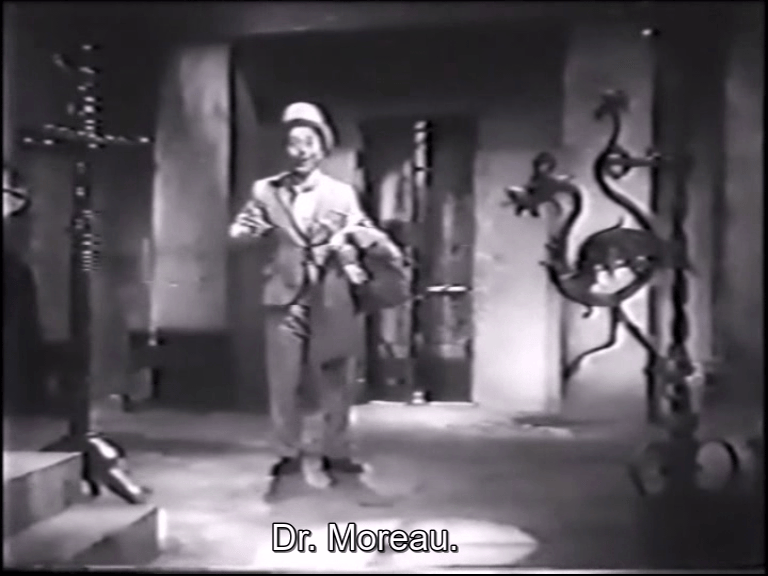
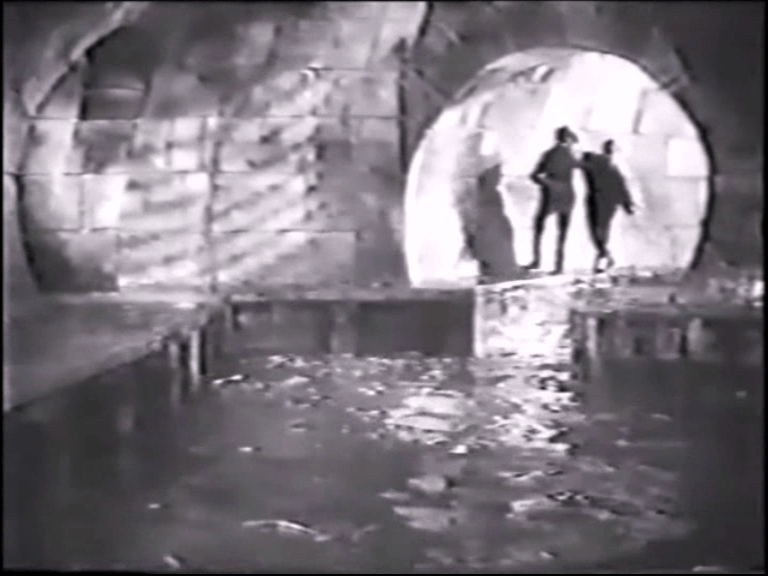
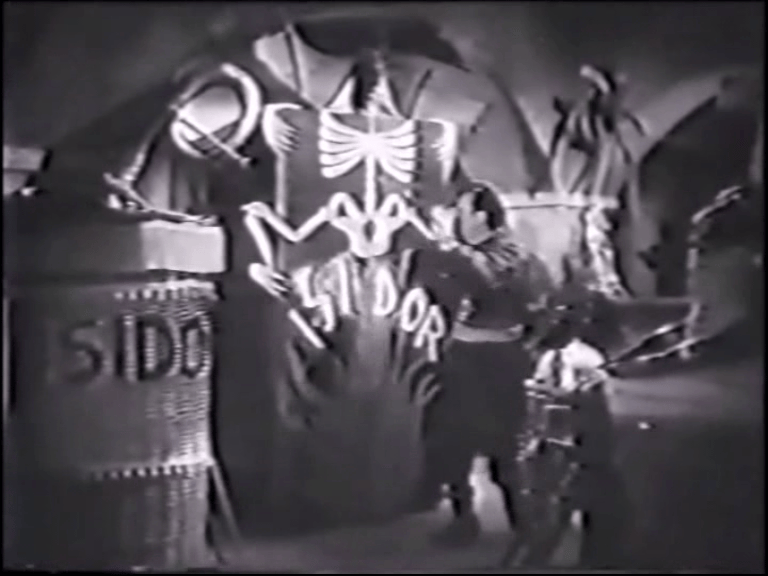
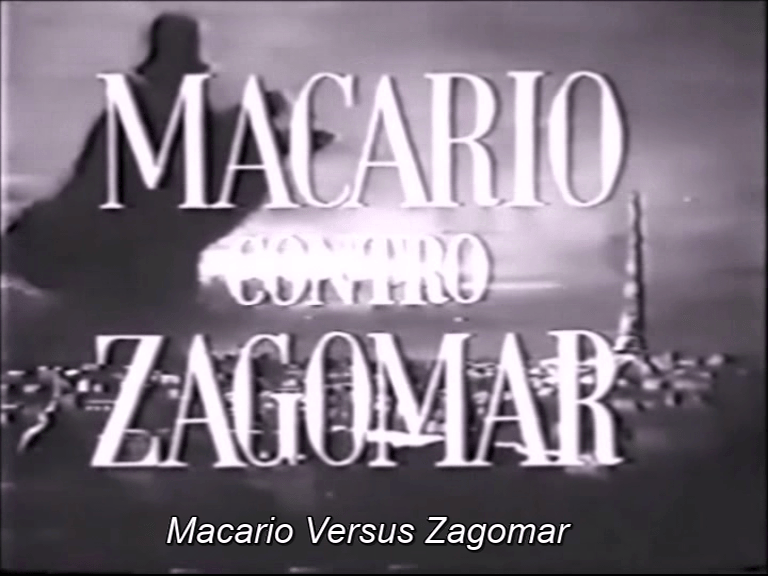
Legal documentation courtesy of Cine Censura, including the censor’s report – with one request: that a shot of a coat of arms with the initials “R.F.” be removed. If anyone can shed some light on what R.F might mean? Please leave a comment. Link HERE
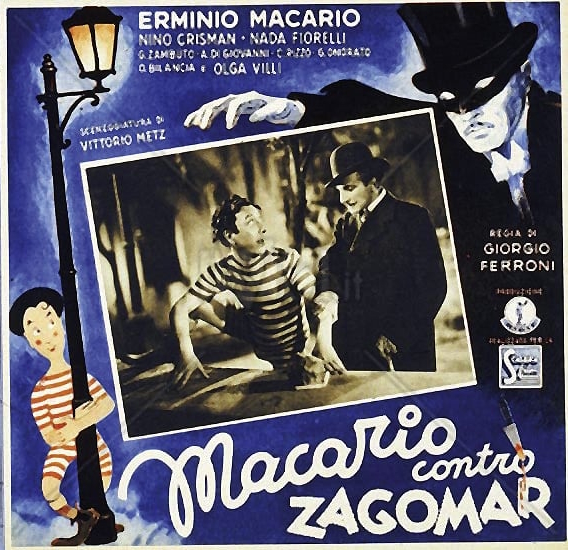
Originally intended to be released as Macario Versus Fantomas, it must have been a very last minute change as the artwork below (which appears to be authentic, based on the creasing) looks like it has a large sticker covering over the original title (above) and you can still clearly see the ‘S‘ in Fantomas. And just to add to all this last-minute shenanigans, the official cineromanzo also bears the original Macario Versus Fantomas title.
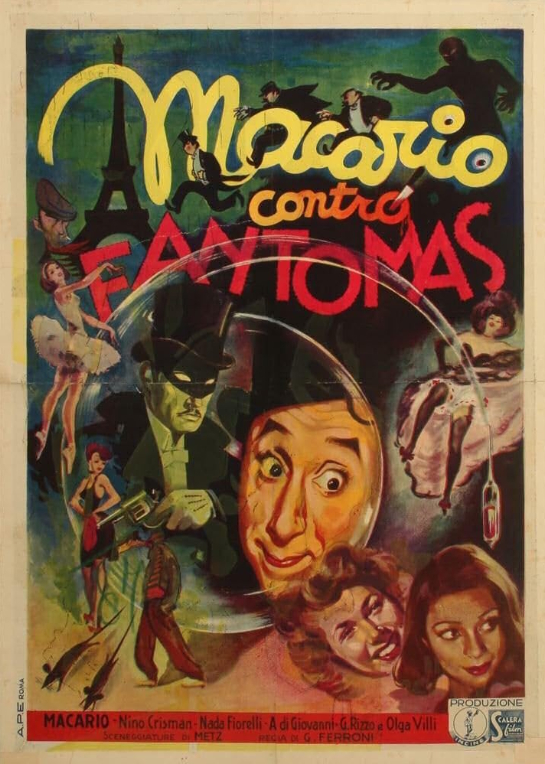
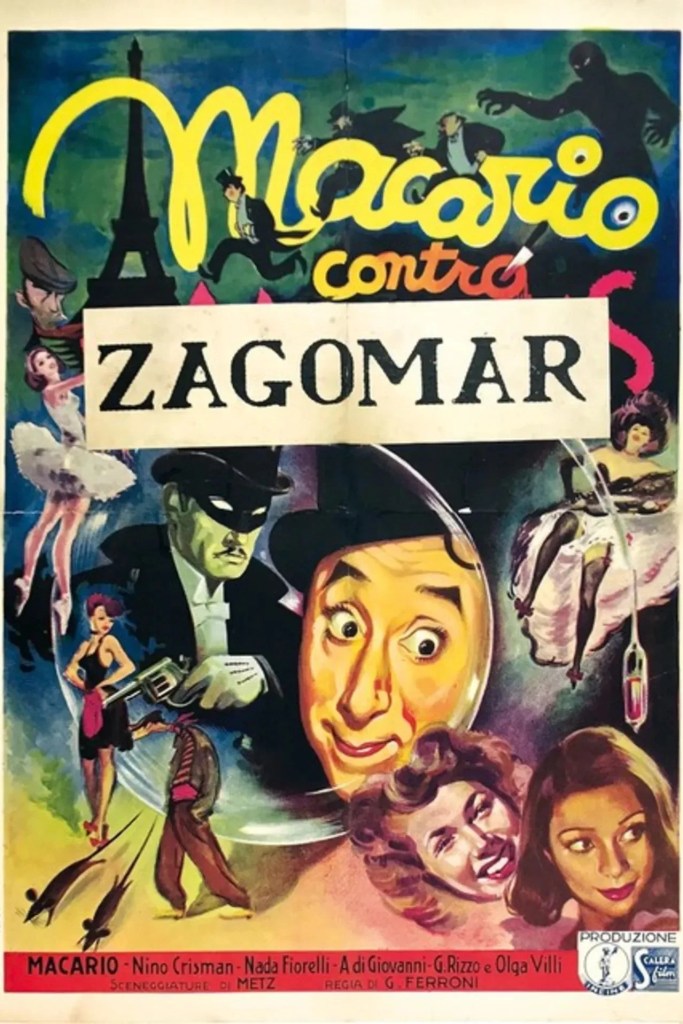
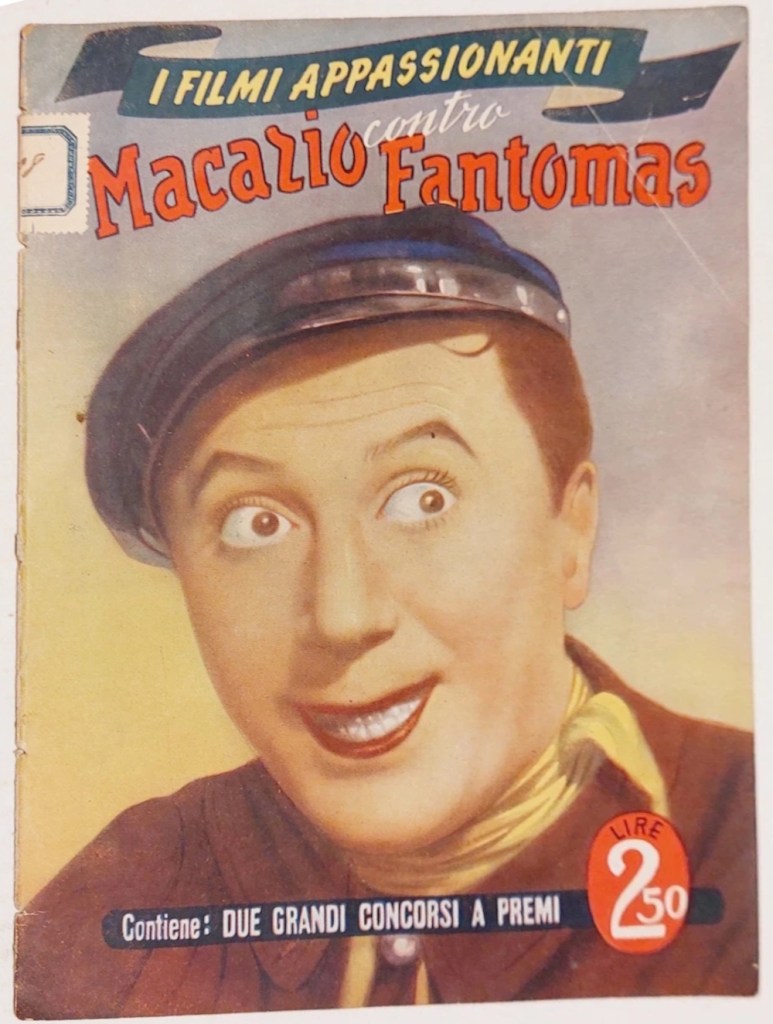
Cineromanzo (film photonovel)
The following extract is taken from the Italian blog Nocturnia; Link
Directed by Giorgio Ferroni, who would later become one of the veterans of Italian low-budget genre cinema, Macario contro Zagomar was filmed at the Titanus studios in Rome. Given the period in which it was made, the film most likely had a very limited theatrical run, playing in only a small number of cinemas, and even more likely, only a limited number of prints were produced.
What is interesting is that the film was conceived from the outset as a parody of the characters created by Souvestre and Allain, or those of Louis Feuillade. In fact, it was initially titled Macario contro Fantomas. Only later, due to rights issues, did Ferroni, together with screenwriter Vittorio Metz, change the title. Traces of the original idea can nevertheless be seen in the plot: there is even an Inspector Jouve (Augusto Di Giovanni) and a journalist modeled on the figure of Fandor (Carlo Rizzo).
Judging from the plot synopsis, Macario contro Zagomar took many of the genre’s clichés and turned them upside down for comic effect. The cast included many interesting and fairly well-known names from the period spanning the 1930s and the years leading up to the Second World War.
Gero Zambuto, in particular, was very active as an actor, voice actor, and even director. As a director, he was the one who persuaded Totò to try appearing in a film. He was also the one who directed him in Fermo con le mani, the Prince De Curtis’s cinematic debut. As a voice actor, meanwhile, he is remembered for providing the voice of Sneezy in the first historic Italian dubbing of Snow White and the Seven Dwarfs.
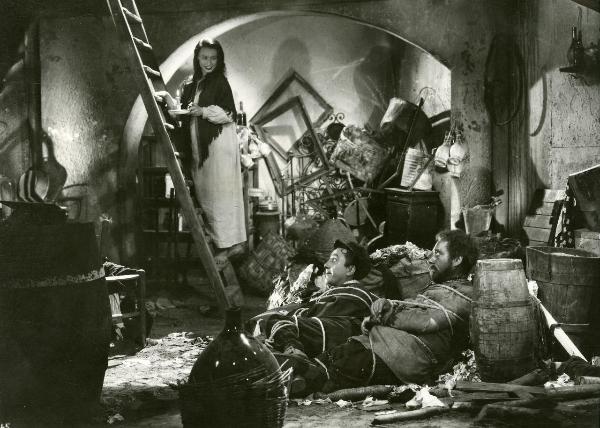
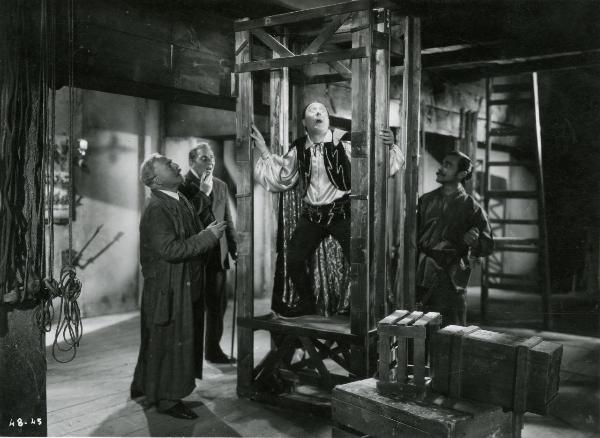
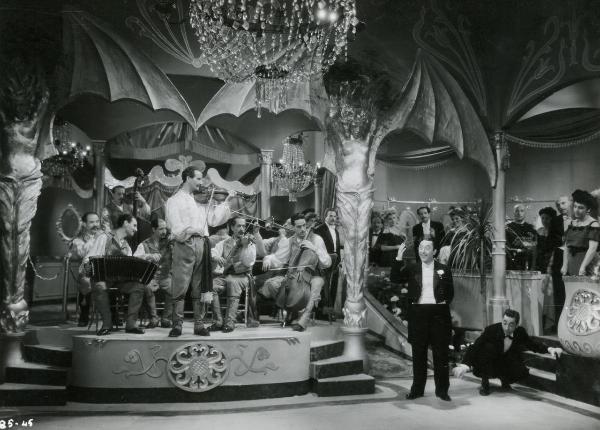
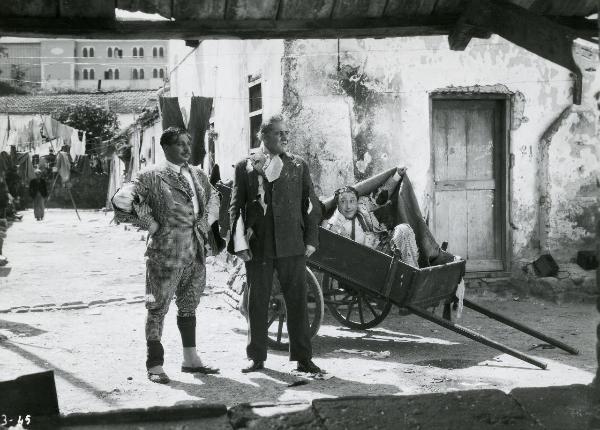
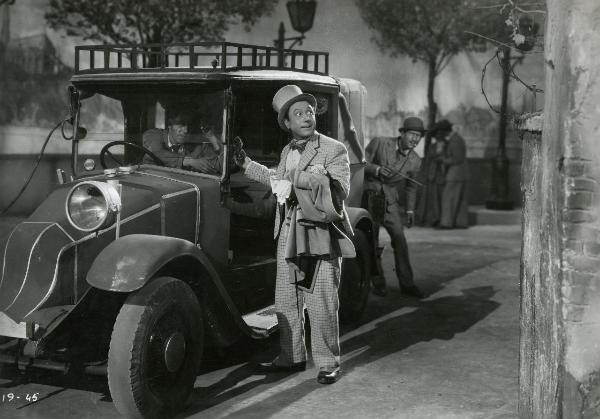
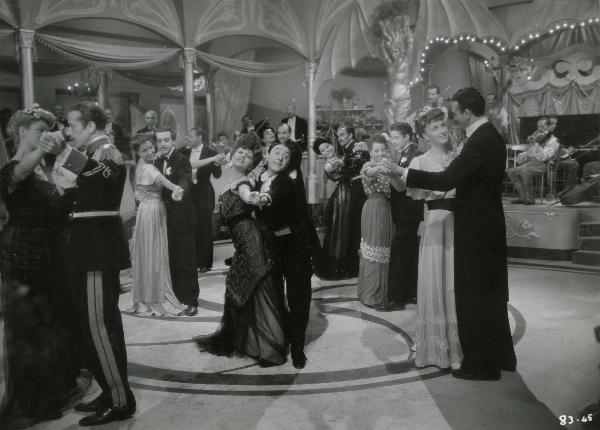
Publicity stills courtesy of Lombardia Beni Culturali
“It is interesting that in 1943, one of the most famous authors of Italian film comedy, Vittorio Metz, was the co-author of the film Makario vs. Zagomar (Macario against Zagomar). The bandit from the Parisian underworld, Zagomar, who rivals the comedian Macario in the film, is an obvious parody of the Zygomar and Fantomas films.” Saša Rakezić
In-depth history of the original Zygomar character, courtesy of Saša Rakezić The Secret Life of a Masked Righteous Man (English)
Availability
Macario Versus Zagomar was considered lost for many years, until a 16mm print surfaced in the early 2020s. Website dasscinemag reported on this discovery in 2023: Link (Italian)
Telecine/English fansubs
 One Man and His Droid