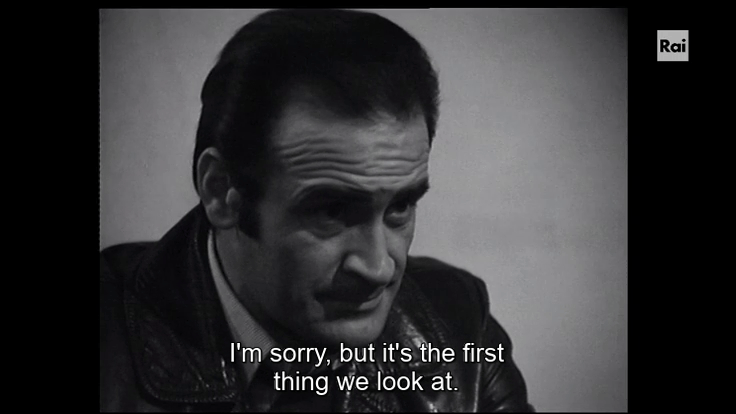
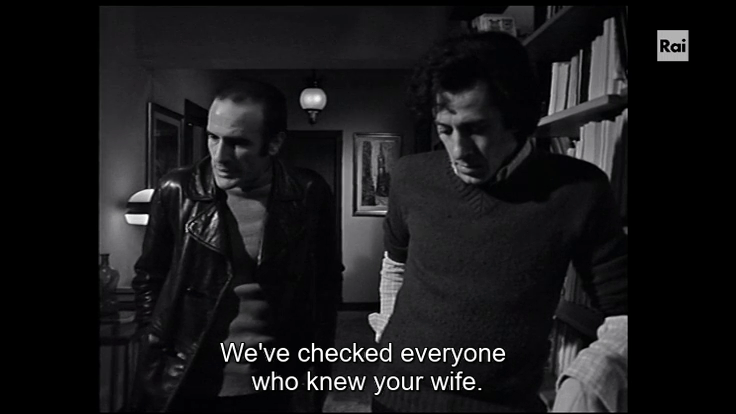
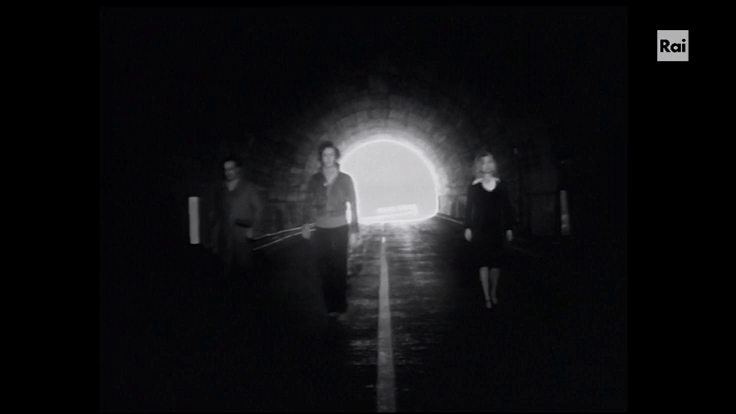
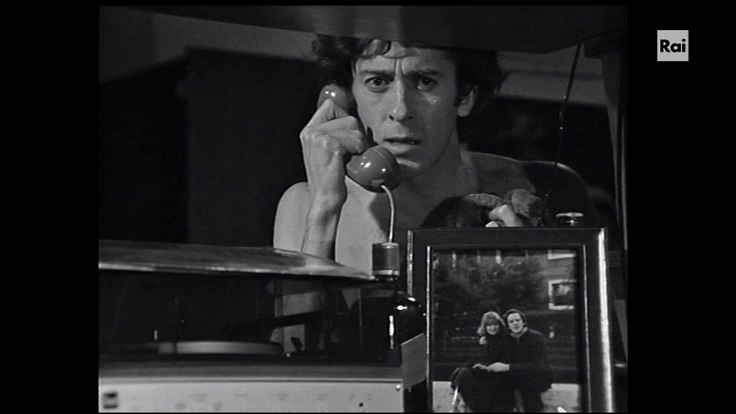
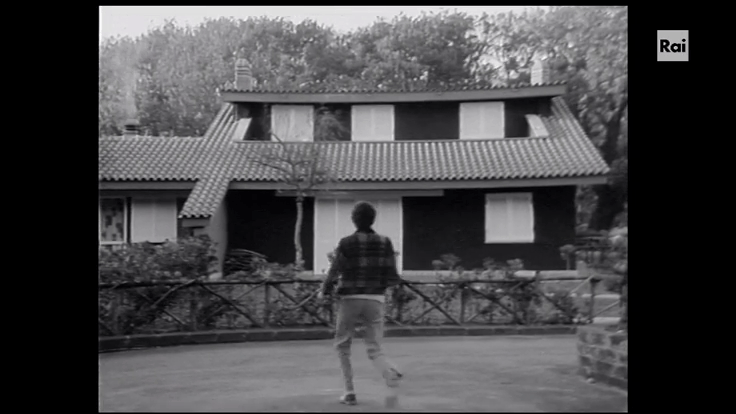
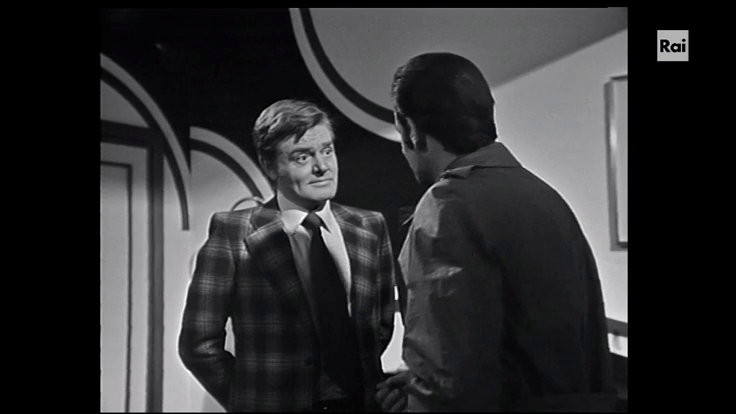
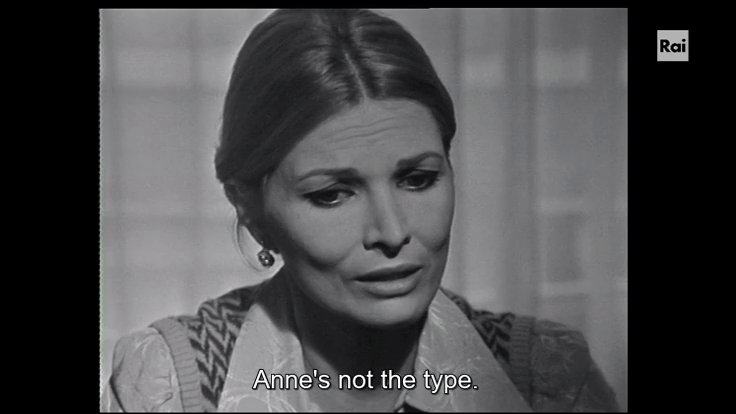
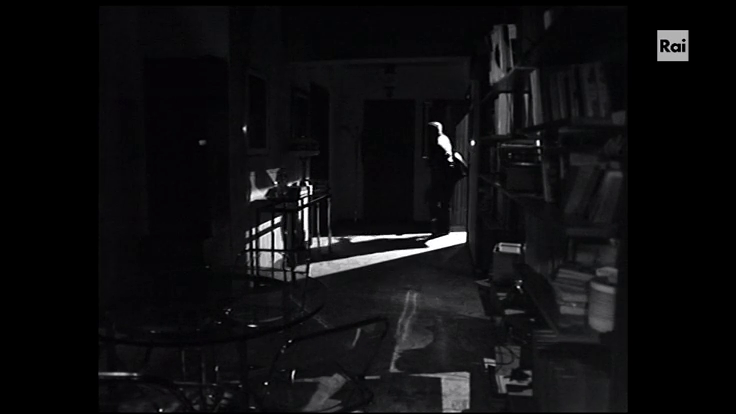
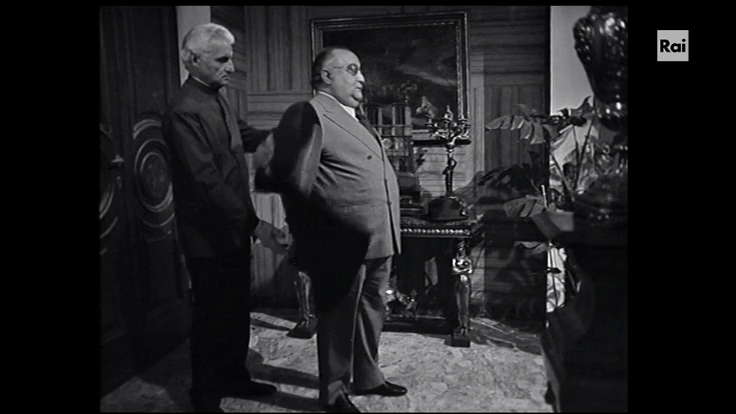
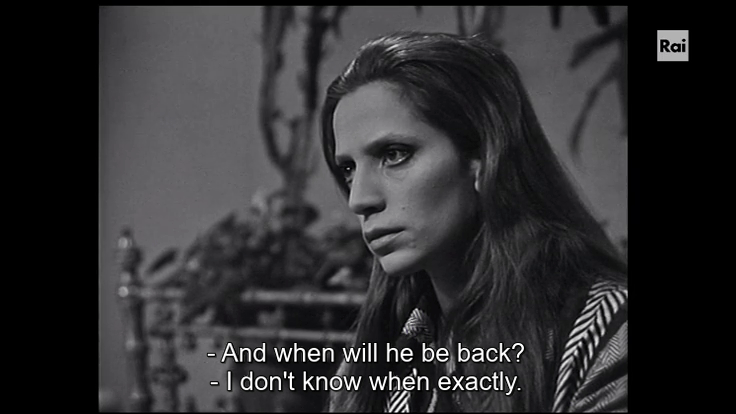
Carlo and Anna Ortese are a young couple living in Rome. He is a door-to-door book salesman and she works a secretary for a construction company. Their otherwise quiet life is disrupted by Anna’s sudden and mysterious disappearance. Police Inspector Bramante is forced to abandon the case after three months when the investigation goes cold, but Carlo isn’t giving up, even if he has to search for her alone…
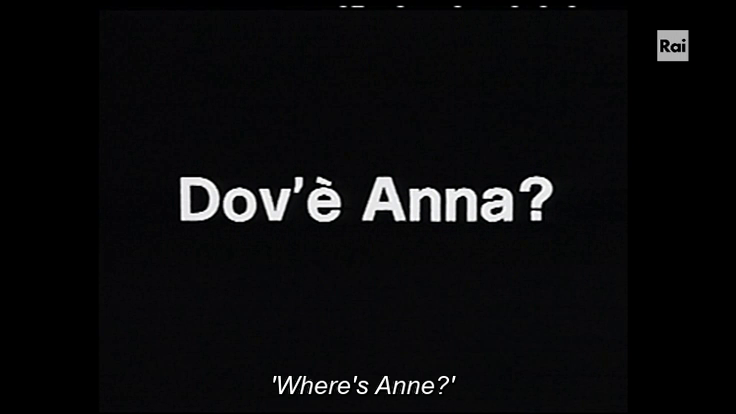
Airing on Italian television screens in 1976, Where’s Anna? was screened at a time when the giallo genre was clearly reaching its peak in Italy – with Dario Argento’s Deep Red, released just a year earlier, also achieving extraordinary national success in cinemas across the land. Like Argento, director Schivazappa also chose to set Where’s Anna? in Italy – instead of sailing off to some exotic location as was the norm – and it is perhaps this aspect that goes some way to explaining its success, by giving his audience something they could directly relate to in their everyday lives. As series creator Biagio Proietti describes it; “What came out, episode after episode, was a portrait of the country”. Drawing in an audience of between 26 and 28 million viewers, Where’s Anna? remains the most viewed drama (of any kind) in Italian television history. In turn also making it the most viewed giallo ever…
However, to the average Italian, this glowing achievement was probably overshadowed by events which occurred not long after it had aired. Each episode is, in part, a contained story (excluding the first two episodes) with each one exploring a possible theory behind Anna’s disappearance. No doubt because producer RAI required it, in keeping with their television-as-education remit, at least two episodes are really just an excuse to offer some sort of social commentary. More specifically, the treatment of young single mothers and the adoption ‘market’ and also mental illness. This second theme, dealing with conservatorship and how perfectly sane people could effectively end up stuck in a mental asylum all their lives, actually kick-started a review of the law behind this arcane practice – and this law was eventually repealed just a few years later.
According to scriptwriter Biagio Proietti, the miniseries was originally supposed to run over eight episodes but it had to be reduced to seven when RAI and the state censors objected to a storyline which saw Anna possibly getting mixed up in a prostitution racket. Using the excuse that the production was running over budget, they insisted the episode be removed from the shooting schedule. Proietti also authored the screenplay for Duccio Tessari’s superb giallo, The Death Occurred Last Night, which also features a very similar premise. He also provided the screenplay for Giuseppe Bennati’s The Killer Reserved Nine Seats.
The catchy theme tune by Stelvio Cipriani was also incredibly popular and remained at the top of the hit parade for several weeks.
Written by Diana Crespo and Biagio Proietti, directed by Piero Schivazappa, the series aired in seven episodes from January 13 to February 24, 1976 on RAI 1.
RAI News Article (backup link)
Availability
All 7 episodes are available to stream for free on RAI PLAY
English subtitles possibly over here
 One Man and His Droid