Gerardo Placido (Amato) writes…
Good morning, Mr. (OneManAndHisDroid)
Thank you for your interest in me and for the film. It’s a film I made when I was young in Venice. It was very important for my artistic growth as an actor. It was shot entirely in Venice, both indoors and outdoors, with the work of a highly skilled director of photography, recorded in direct sound, and completed in just three weeks.
We worked with authentic footage, including nighttime scenes, using natural light in the most meaningful and real locations of Venice, both day and night—without special effects and with a very small technical crew. Today, it would be described as low-budget.
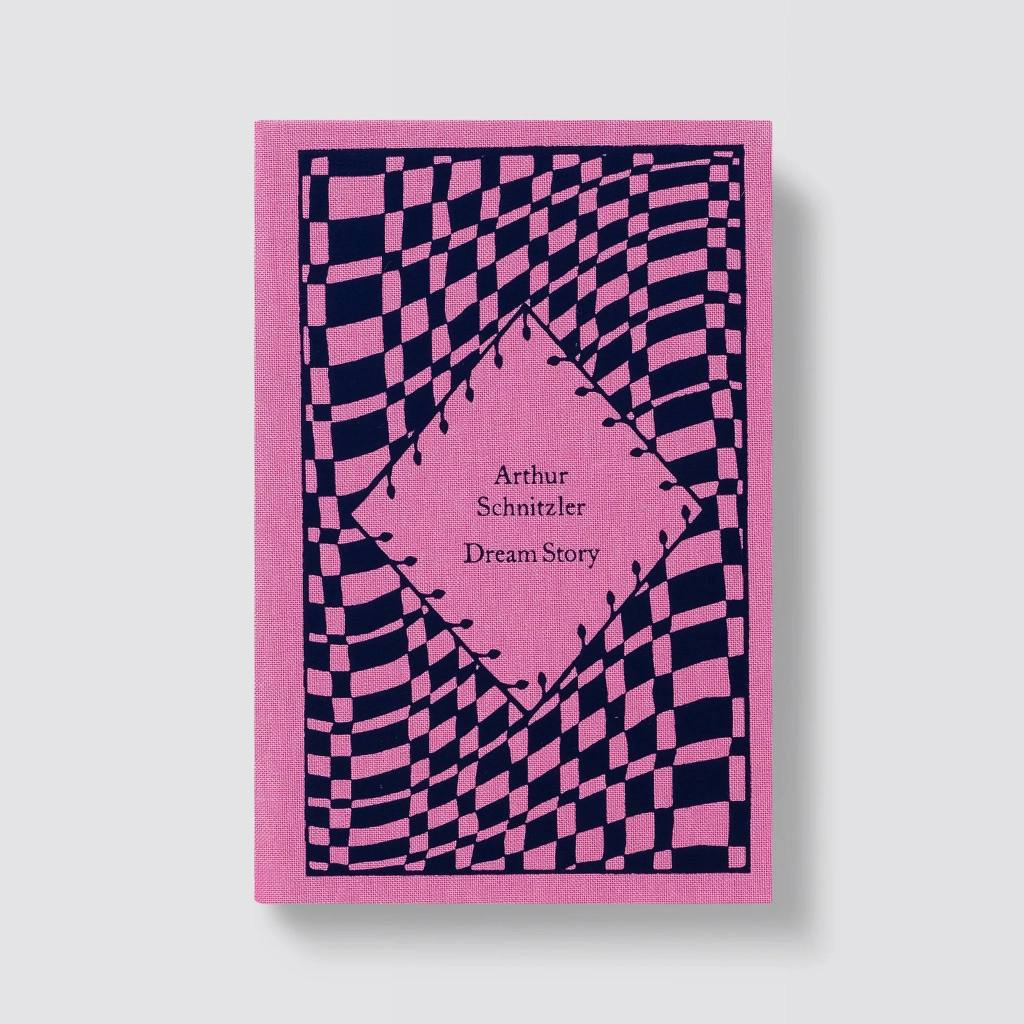
As is well known, the screenplay was inspired by and based on the novel “Dream Story” by the great writer and novelist Arthur Schnitzler.
Kind regards,
Gerardo Amato 24/02/2026
(Original Italian text…)
Buongiorno, sig.(OneManAndHisDroid),grazie per il suo interesse nei miei confronti e per il film. Un film che ho fatto da giovane a Venezia. È stato molto importante per la mia crescita artistica come attore. Un film girato tutto a Venezia sia in interno che in ambienti esterni con le riprese di un direttore di fotografia bravissimo ,in presa diretta, e in sole 3 settimane. .Lavorando con riprese autentiche ,anche notturne , a luce naturale,nei luoghi più significativi e veri di Venezia ,di giorno e di notte,Senza effetti speciali e troupe tecnica di pochi elementi e persone .Oggi si direbbe Low cost.Una sceneggiatura,come si sa, ispirata e tratta dal romanzo DOPPIO SOGNO del grande scrittore e romanziere Arthur Schnitzler . Un cordiale saluto Gerardo Amato. ( Correggere per cortesia Giorgio come lei ha scritto).Buon lavoro
And Mario Bianchi remembers…
(Courtesy of Cine70, Issue 5, Stefano Ippoliti & Matteo Norcini)
(Cine70) Nightmare in Venice is a film you directed in 1989, inspired by Arthur Schnitzler’s Dream Story, where some people have spotted some notable similarities with Eyes Wide Shut, by the master of cinema Stanley Kubrick.
“I’d completely forgotten about it, but I’m glad to hear that’s what people say about it. It means I also made something decent as well. The story was written by a very talented young man whose father was some bigshot university professor. I remember it was good, all shot in Venice, with a certain atmosphere, and this was also connected to poor Di Noia, who was the producer. I remember some journalist came on to the set and he said “Who do you think you are, filming a story like this?”, and at that point, like a true Roman, I told him to go to hell.”
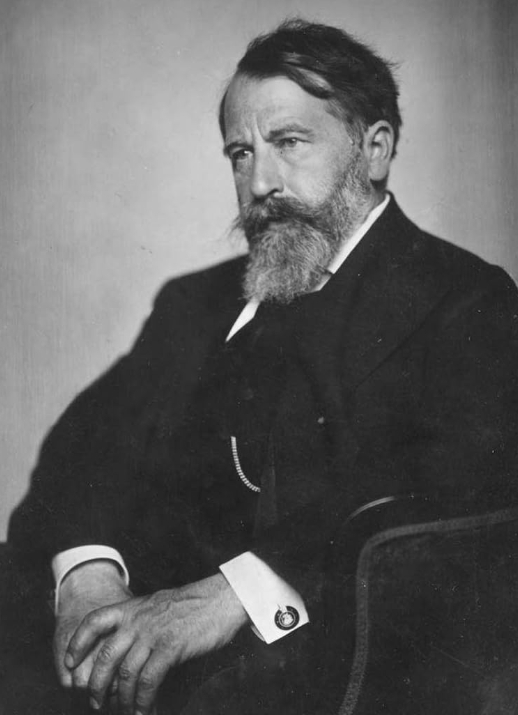
Arthur Schnitzler
“I love that Stanley Kubrick probably watched this to get ready to make his movie. He probably did more takes for one scene than Bianchi did in this entire movie.” (random imdb review – quoted for truth)
The second of two Italian films based on Arthur Schnitzler’s Rhapsody: A Dream Novel. The other one being Beppe Cino’s Il Cavaliere, La Morte e il Diavolo/The Knight, Death and the Devil from 1983. More famously (now there’s an understatement…) later remade a third time by Stanley Kubrick as Eyes Wide Shut.
There is an extensive write-up here (venicecafe) (Italian) which also includes a detailed breakdown of some of the Venice locations. Google translate used to do a good job of translating it all into English but it has since been disabled.
Some years later…
It seems the Venicecafe link is kaput, so I’ve used the Internet Archive’s Wayback Machine to trawl the past and below is a copy/paste/translation of the original article. I have posted screen grabs of the original Italian text further down. The translation is a bit sketchy (to say the least!) – I’ll tidy it up when I can…
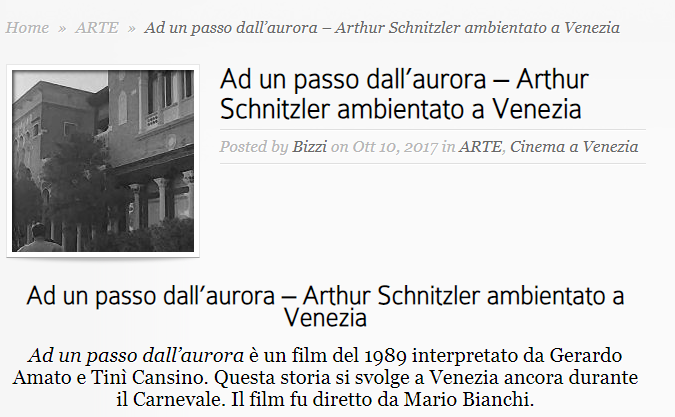
One Step Away From Dawn is a 1989 film directed by Mario Bianchi starring Gerardo Amato and Tinì Cansino. This story takes place during the annual Carnival of Venice.
Plot
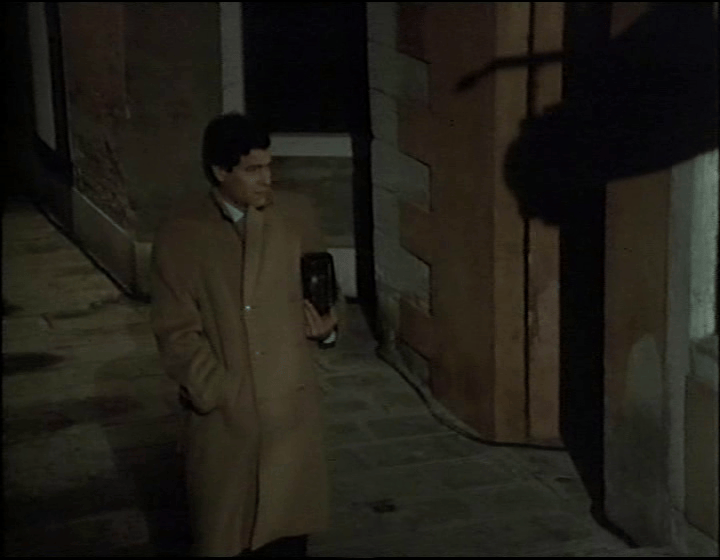
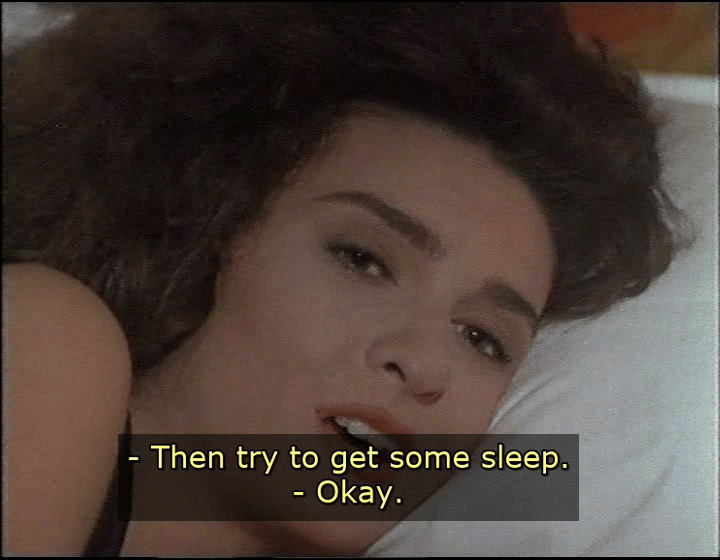
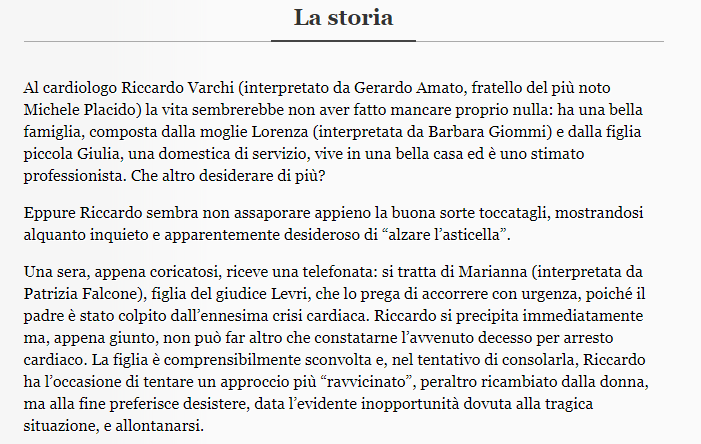
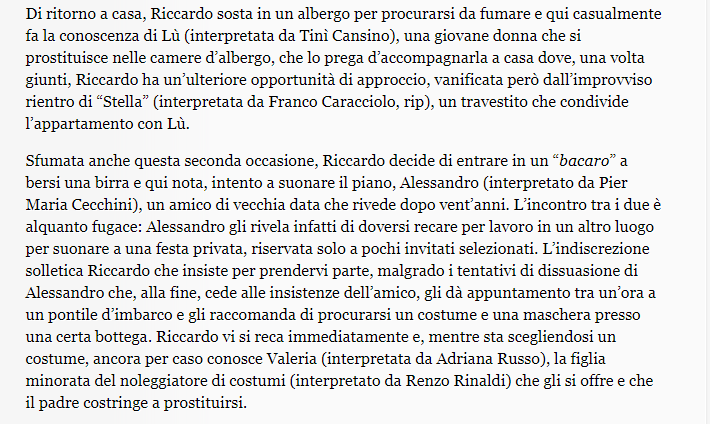
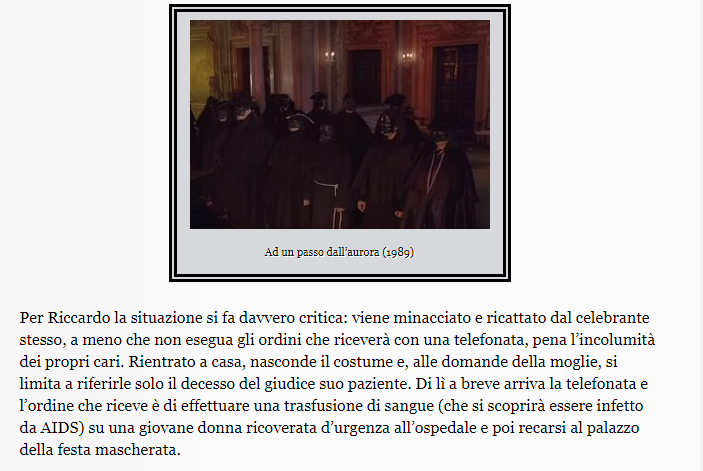
Cardiologist Riccardo Varchi (played by Gerardo Amato, brother of the more well-known actor Michele Placido) appears to have it all: a lovely family consisting of his wife Lorenza (Barbara Giommi) and his young daughter Giulia, a maid; a splendid home; and a distinguished career. What more could he possibly want?
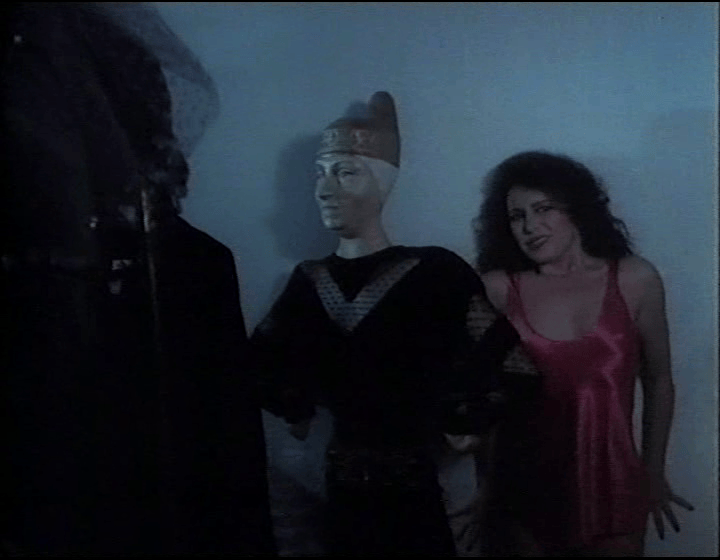
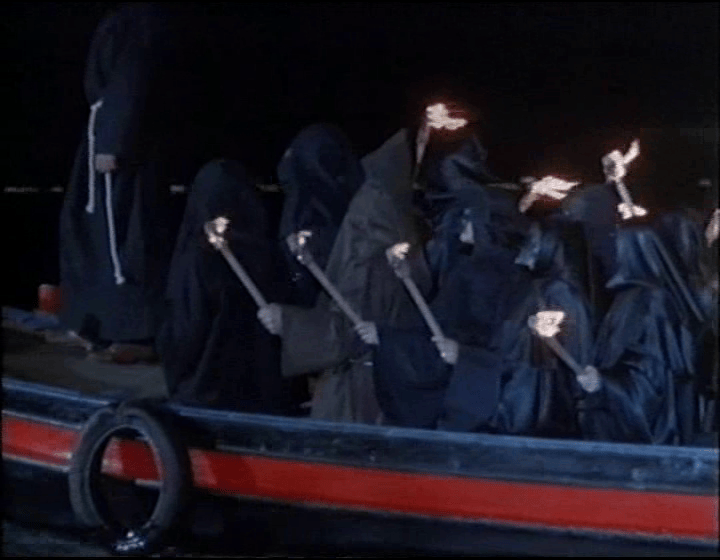
Unfortunately, Riccardo does not appear to fully appreciate his good fortune, appearing restless and anxious to “raise the bar”. Almost randomly jumping from one erotic encounter to another, it is this unchecked sexual curiosity which eventually draws him deeper into the mysterious and ultimately very dangerous side of Venetian night life.
Mario Bianchi: a curious case of homonymy
Before we go any further, it might be wise to clarify a potential misunderstanding: In the quiz shows broadcast on the Mediaset TV networks in Italy, the late television host Mike Bongiorno used to signal commercial breaks with the phrase “Over to you, director Mario Bianchi!”.
It’s an unusual case of homonymy: there are two directors named Mario Bianchi (one working in television and the other in film). The one on television is the youngest Mario Bianchi, having been born in Casale Monferrato in 1948. The film one, on the other hand, was born almost a decade earlier, in 1939 in Rome, and is also the son of a film director: his father is Roberto Bianchi Montero, who was first an actor from 1939 to 1943, and then a film director from 1946 to 1982 (he died in 1986).
Before Kubrick’s Eyes Wide Shut
Referencing Alessandro Bullo’s previous post about the film Nudo di Donna (1981), which recalls, albeit rather indirectly, the short novel Double Dream (original title: Traumnovelle) by the Viennese author Arthur Schnitzler, I would like to attempt to round off this analysis by adding that, many years before the release of Eyes Wide Shut, the final masterpiece directed by the late Stanley Kubrick, Schnitzler’s novel had been a source of inspiration (albeit dystopian) for two other films. It is perhaps worth noting that Beppe Cino’s The Knight, Death and the Devil also has a connection to Venice, as it was screened out-of-competition at the 40th International Venice Film Festival.
Although it would be speculative and possibly illusory to think that Kubrick had seen the aforementioned films before directing Eyes Wide Shut, if you really want to dream (just to stay on topic…) this time, try to imagine that, as ridiculous as it may sound, Kubrick did know about them and, with a budget large enough to be able to afford actors like Tom Cruise and Nicole Kidman, he used Bianchi’s effort as a template for how NOT to direct his own film.
The only similarity among the aforementioned films is that they are not set in Vienna, the setting of the original novel, and, since he had the courtesy of shooting his film here in Venice, as a token of appreciation, I will overlook the numerous other pornographic films that Mario Bianchi directed under different aliases.
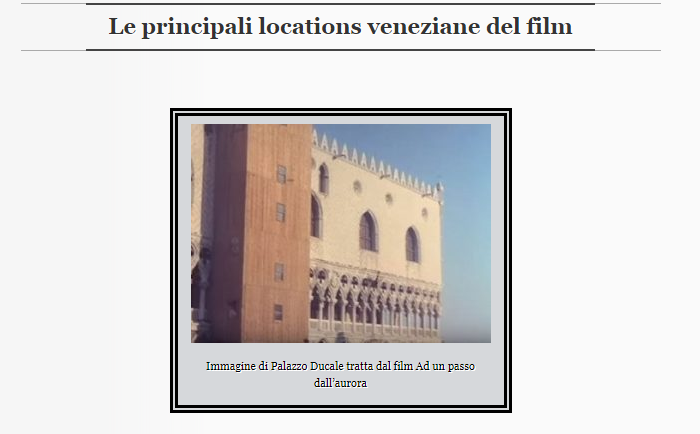
Venice Locations
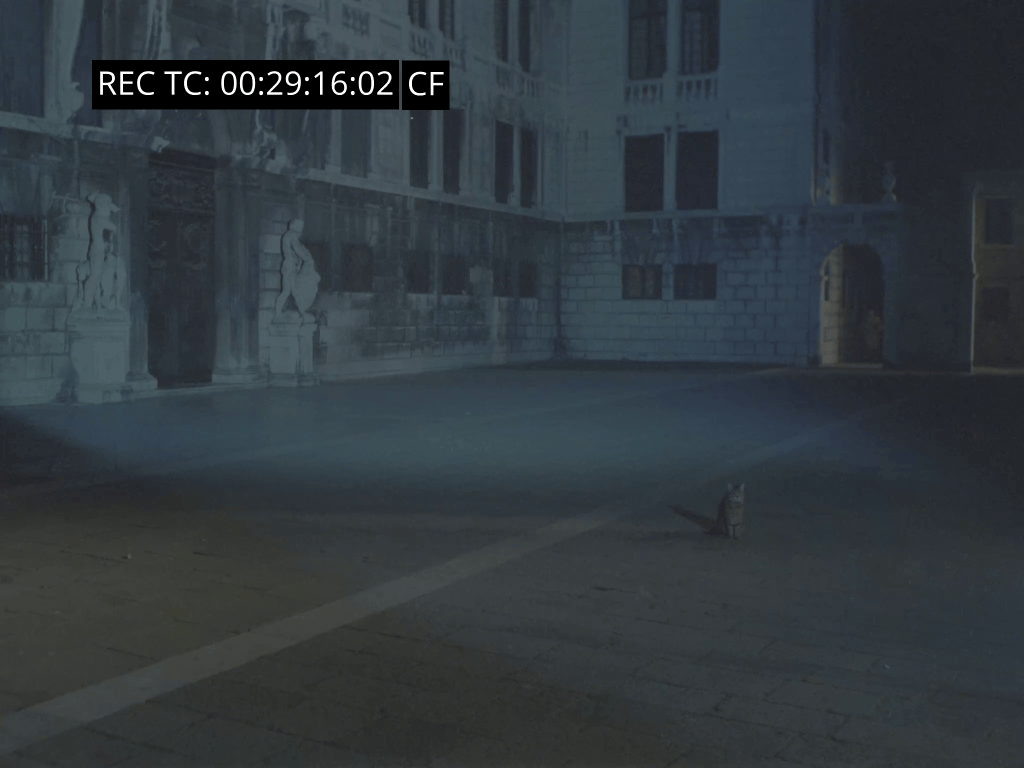
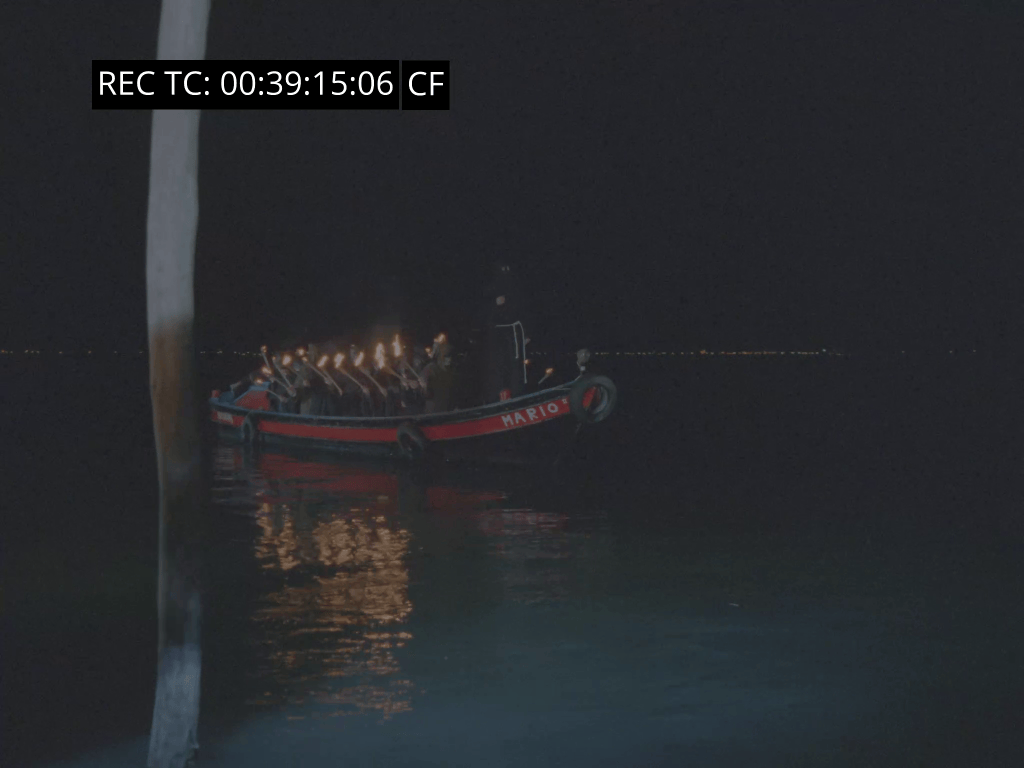
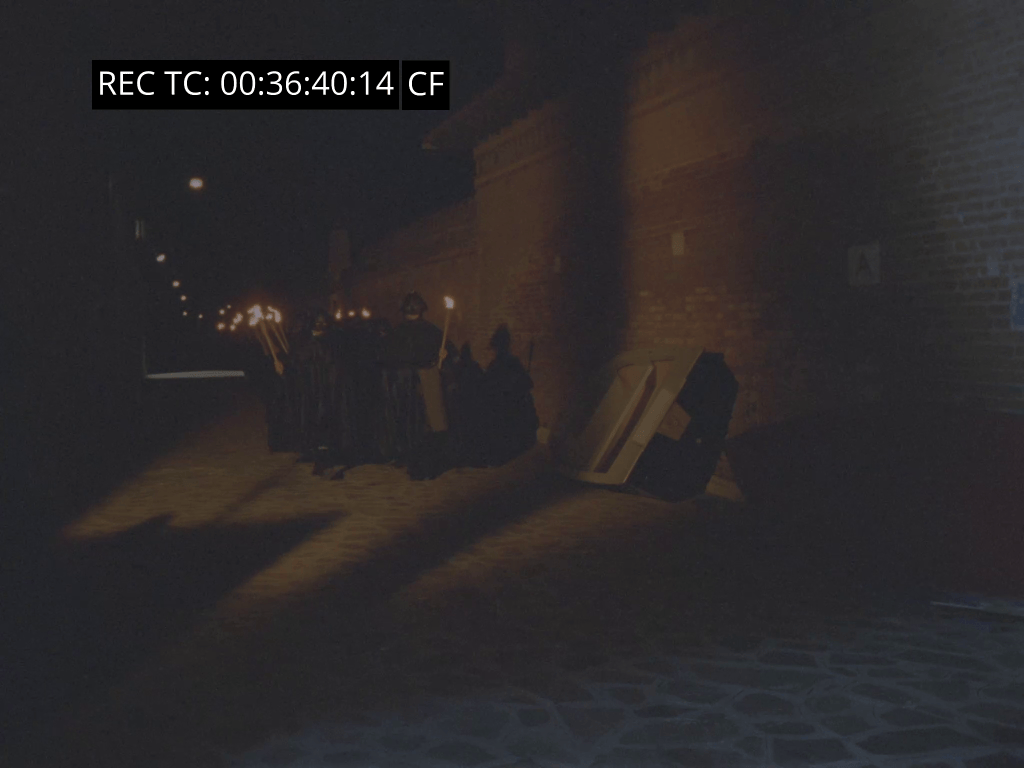
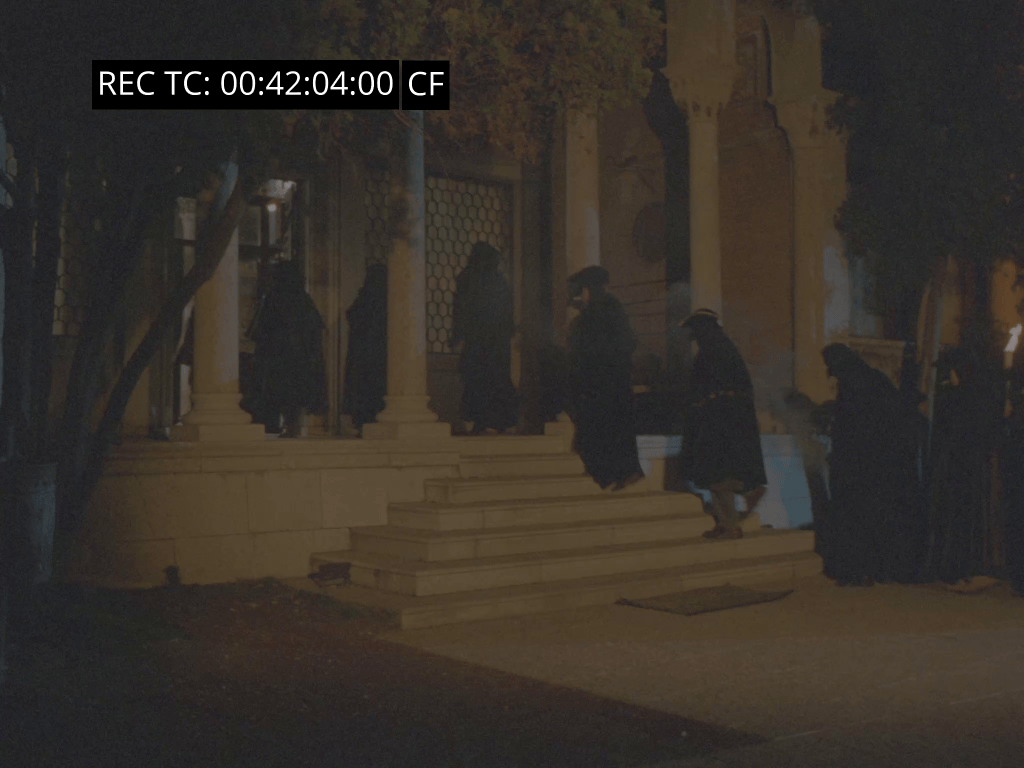
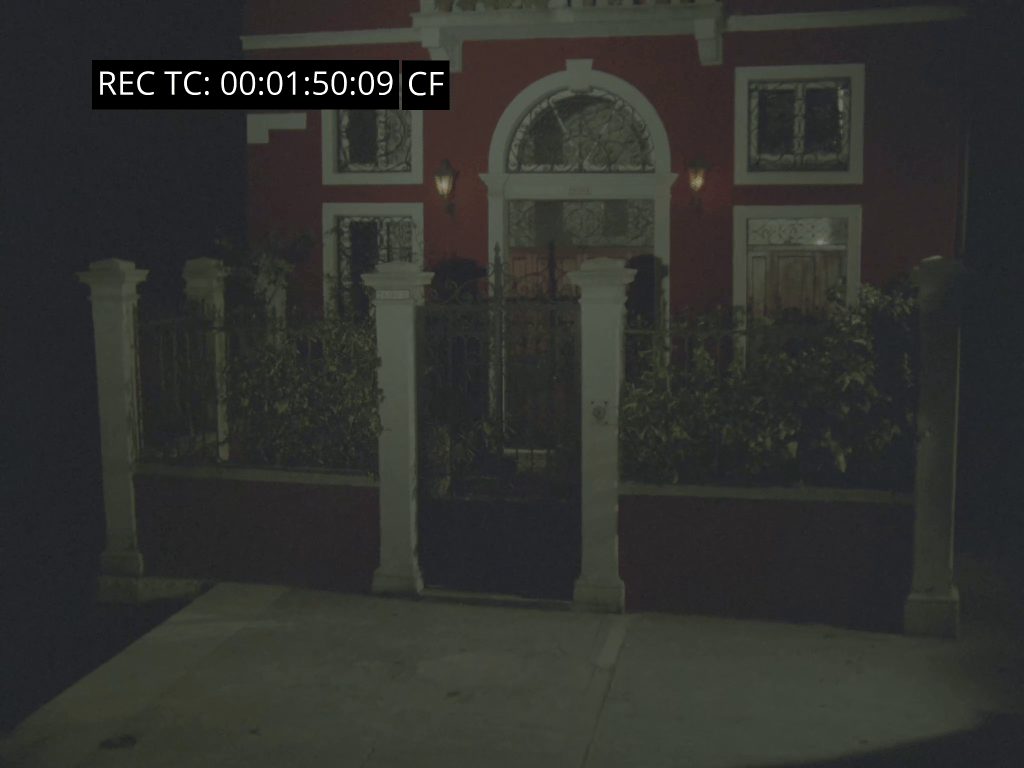
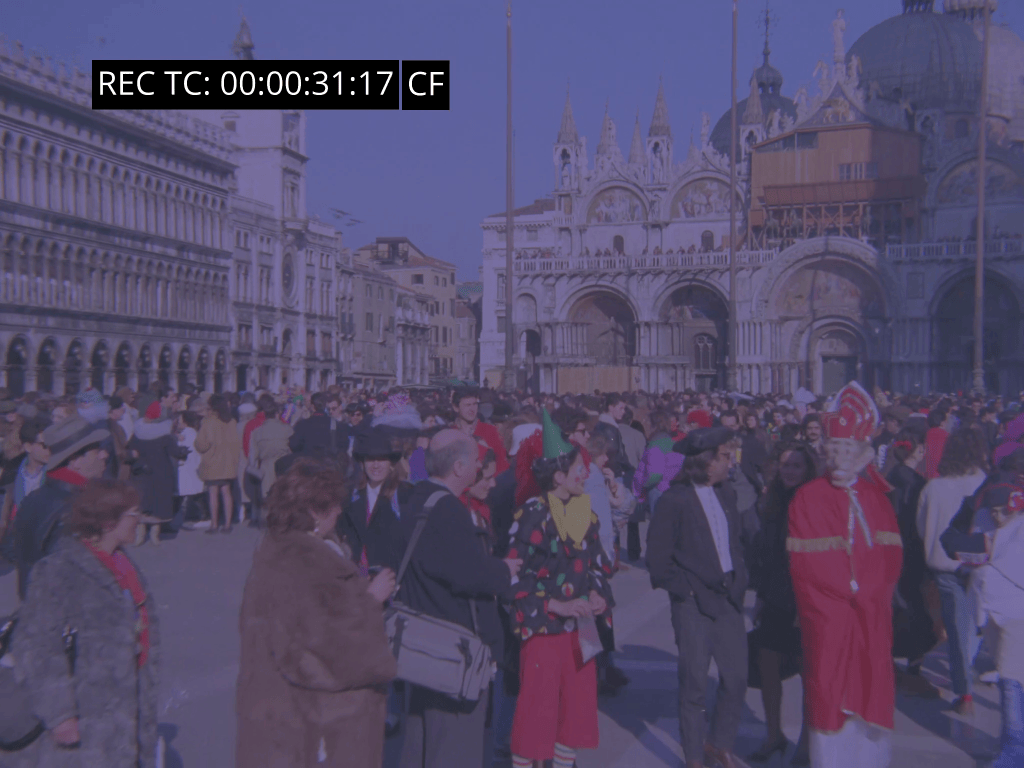
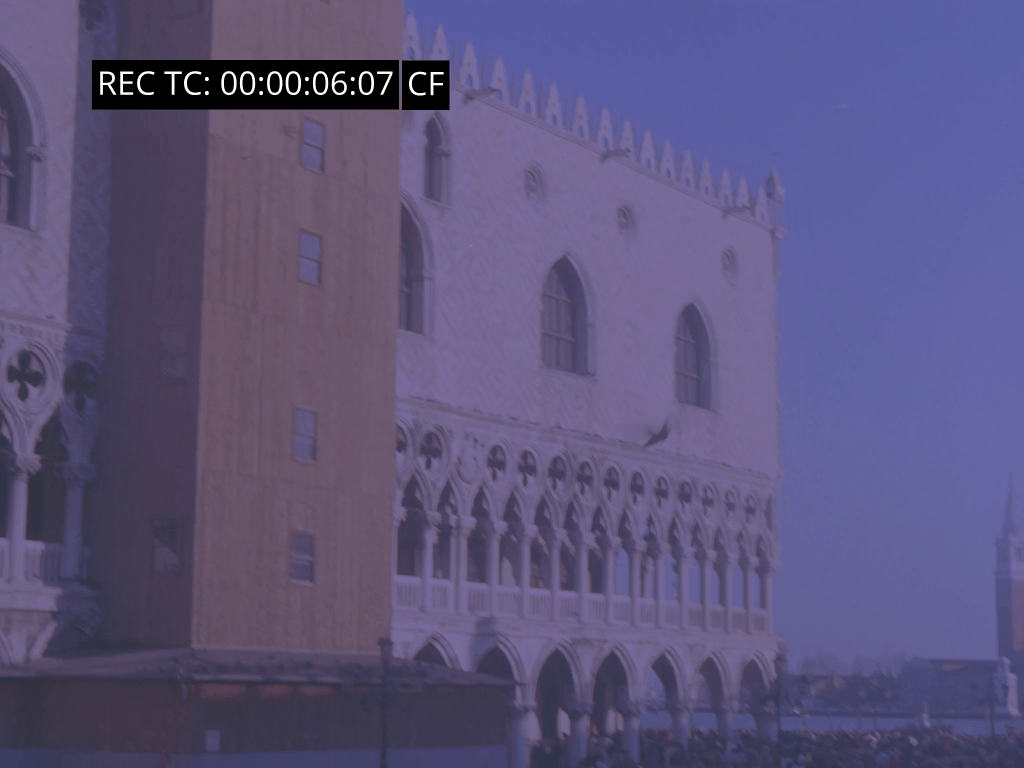
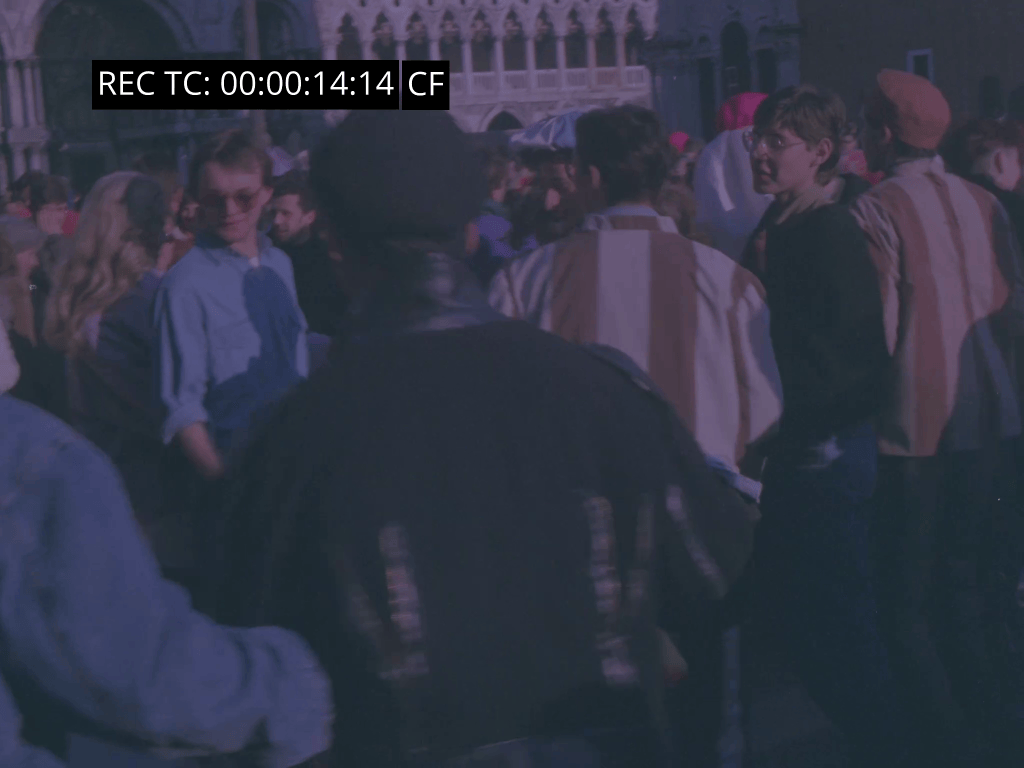
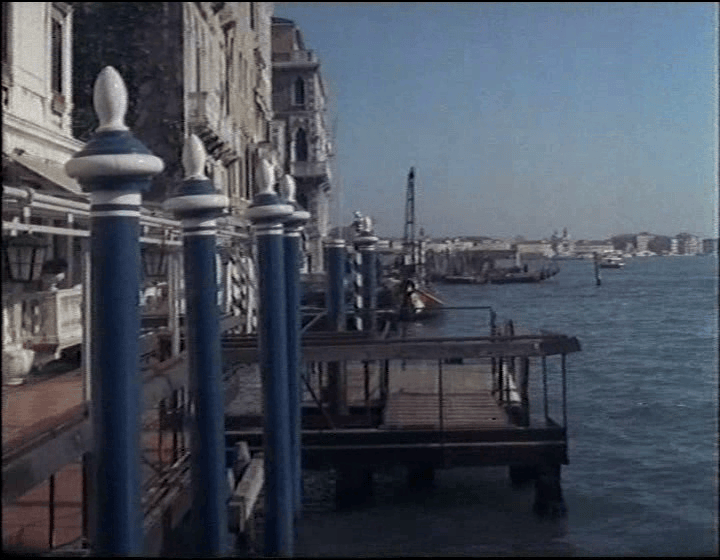
The opening credits show views of Piazza San Marco with the masquerade costumes of the Venetian carnival; as the film progresses we see a number of other notable locations:
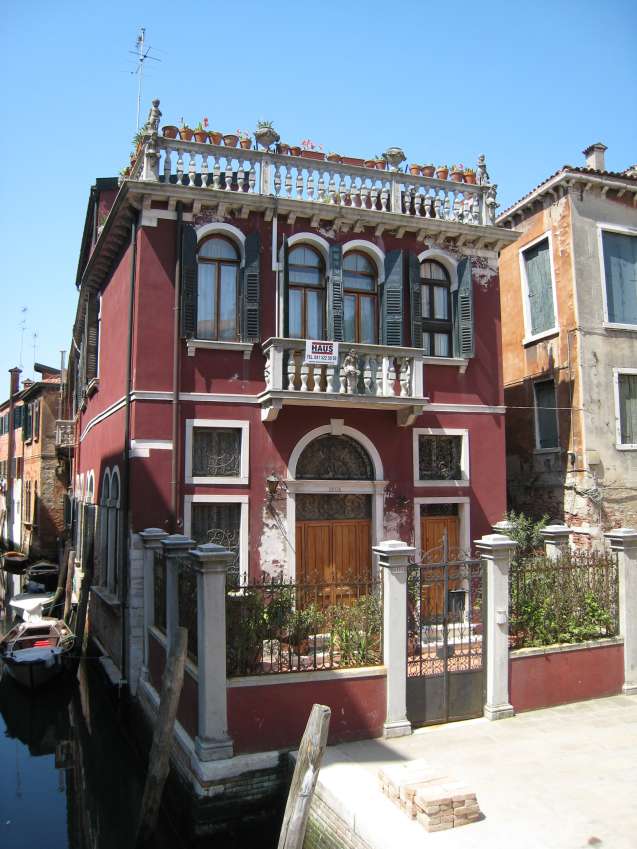
(The Varchi residence today – Campiello del Squero)
The Varchi family home is located in the Dorsoduro district, in front of the Ponte de Ognisanti, separated from the river of the same name by the Giustinian hospital complex; if hypothetically Riccardo Varchi worked in the latter instead, he would just have to hop over the road (or bridge!) to get to work.
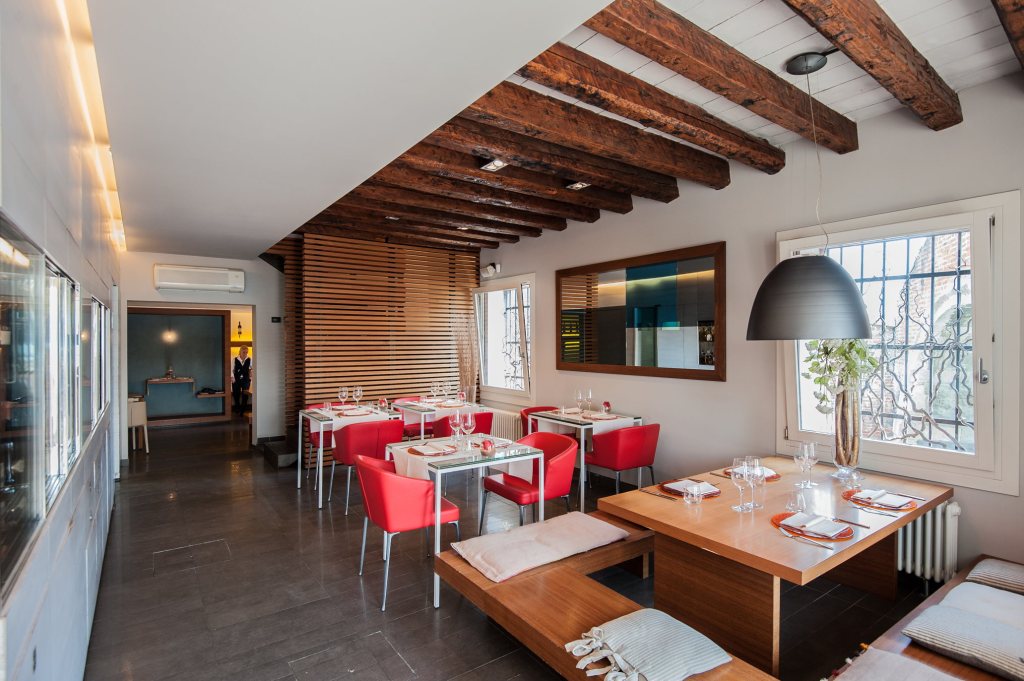
(Linea d’ombra today)
The place where Riccardo meets Alessandro is called “Linea d’ombra” and is still located in the Dorsoduro district, at the foot of the Ponte de l’Umiltà, along the foundation of the Zattere which leads to Punta della Salute.
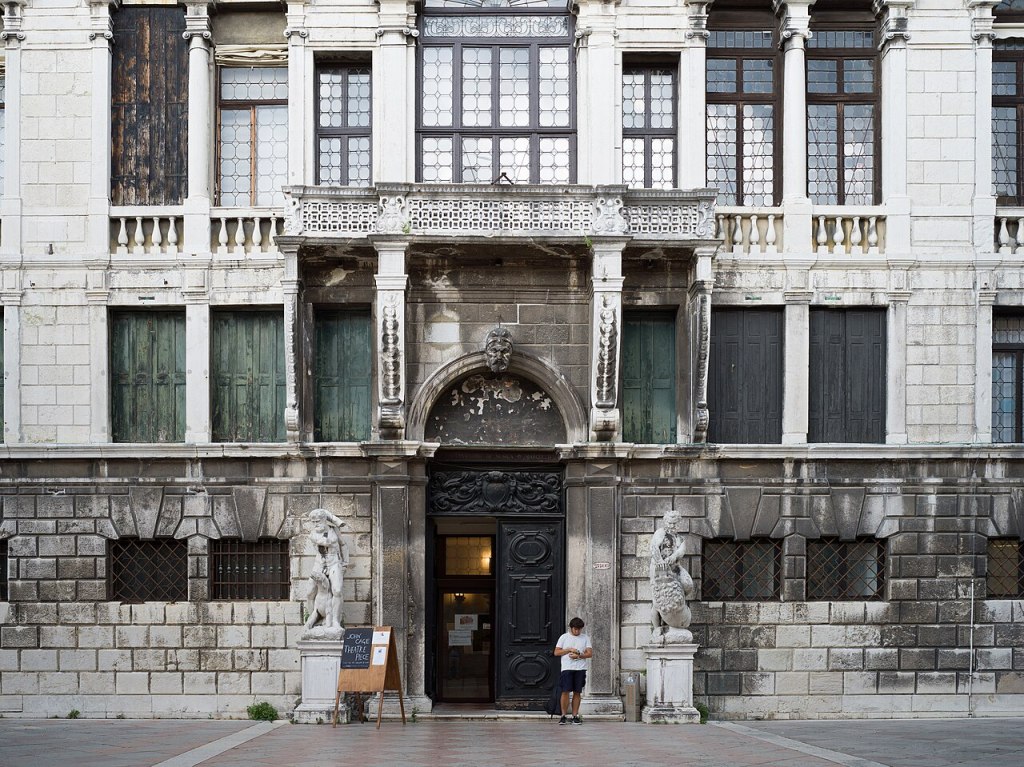
(The mask maker’s shop – Palazzo Pisani today)
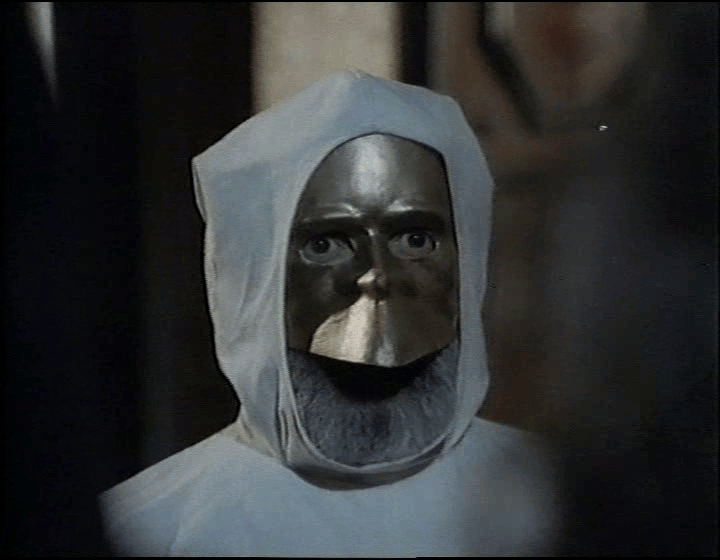
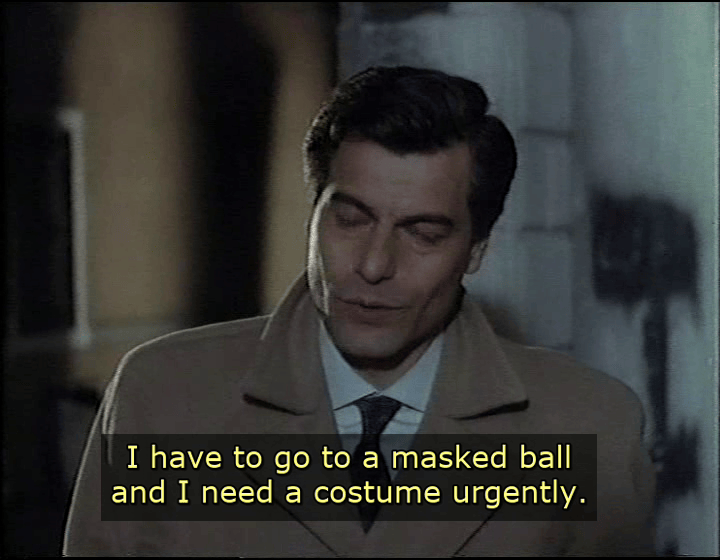
The shop where Riccardo rents the costume for the night-time masquerade party is located in Campiello Pisani, adjacent to the Benedetto Marcello Conservatory.
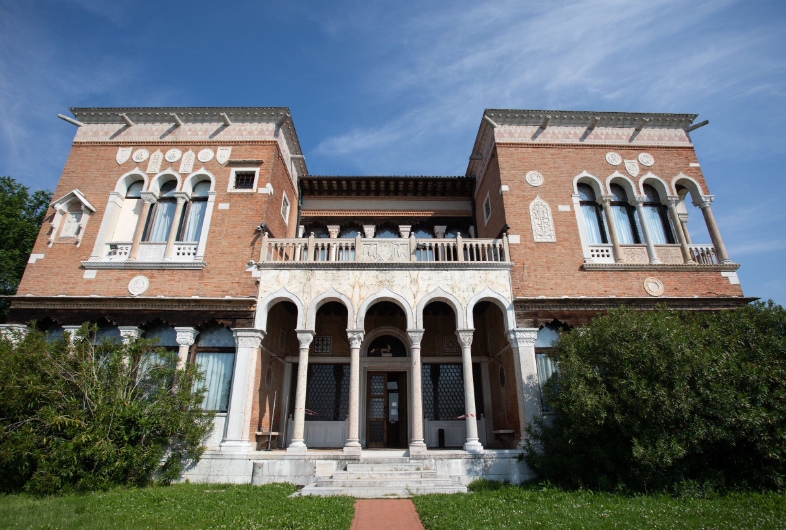
(Villa Heriot today)
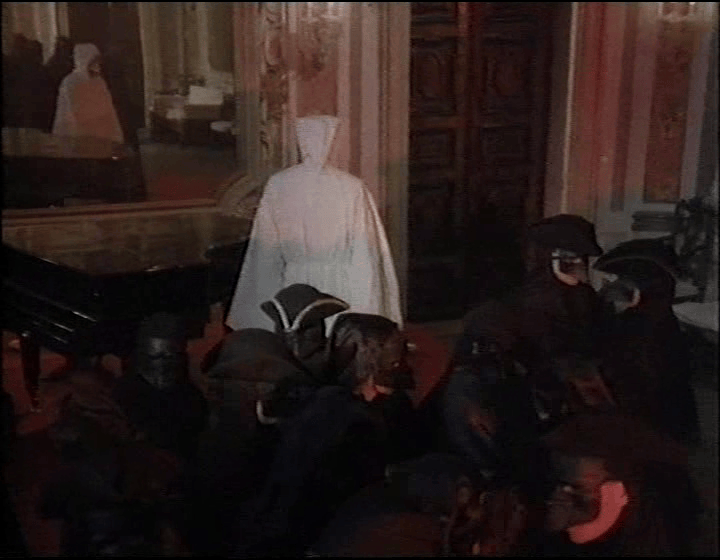
The night-time masquerade party instead takes place at Villa Heriot, located on the Giudecca, in Calle Michelangelo (behind the Zitelle), now home to the International University of Art.
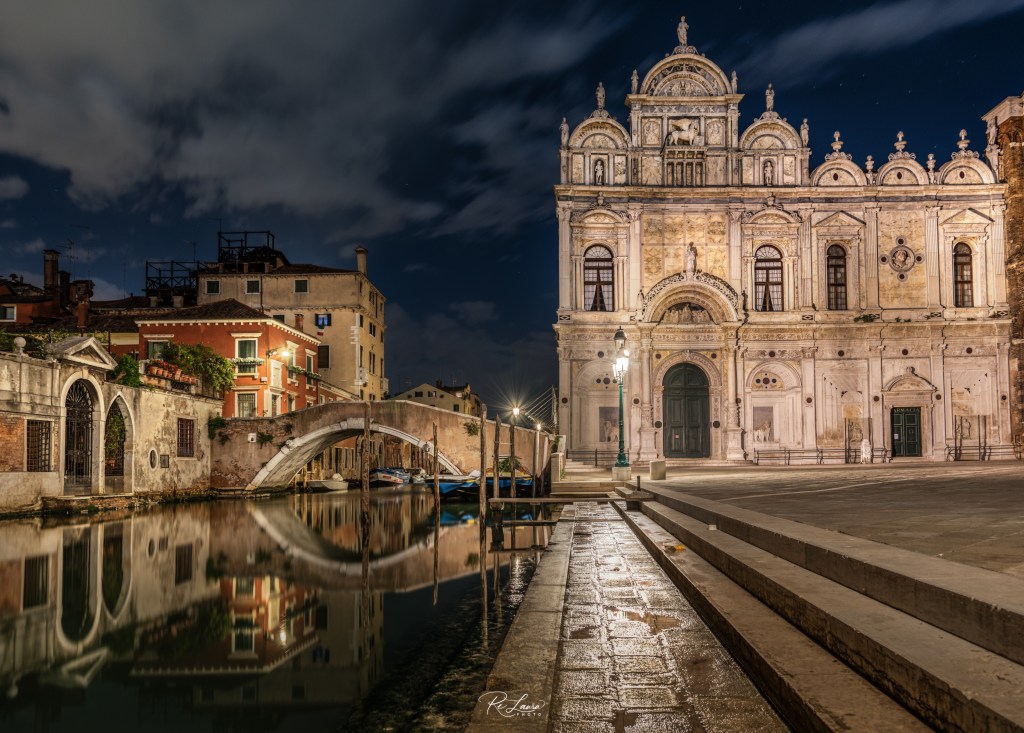
(San Giovanni e Paolo Hospital today)
Riccardo’s place of work, being a doctor, is consequently the Civil Hospital, located in Campo San Giovanni e Paolo.
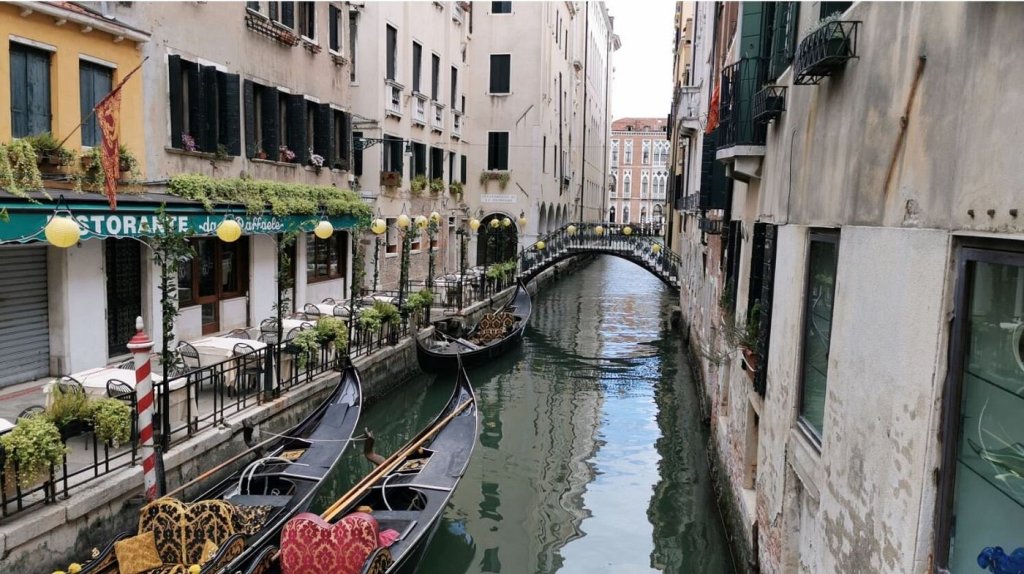
(Rio de le Ostreghe today)
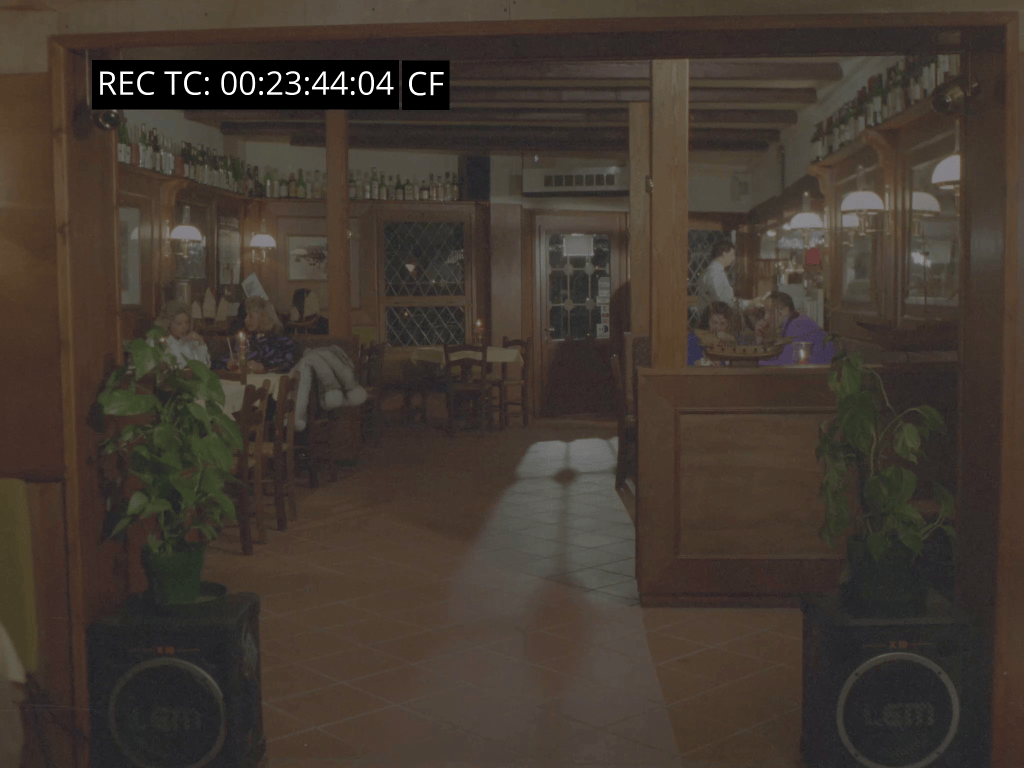
Before returning during the day by boat to the villa of the masquerade party, Riccardo passes by the outdoor tables of a restaurant which can still be found in the San Marco district, along the Rio de le Ostreghe.
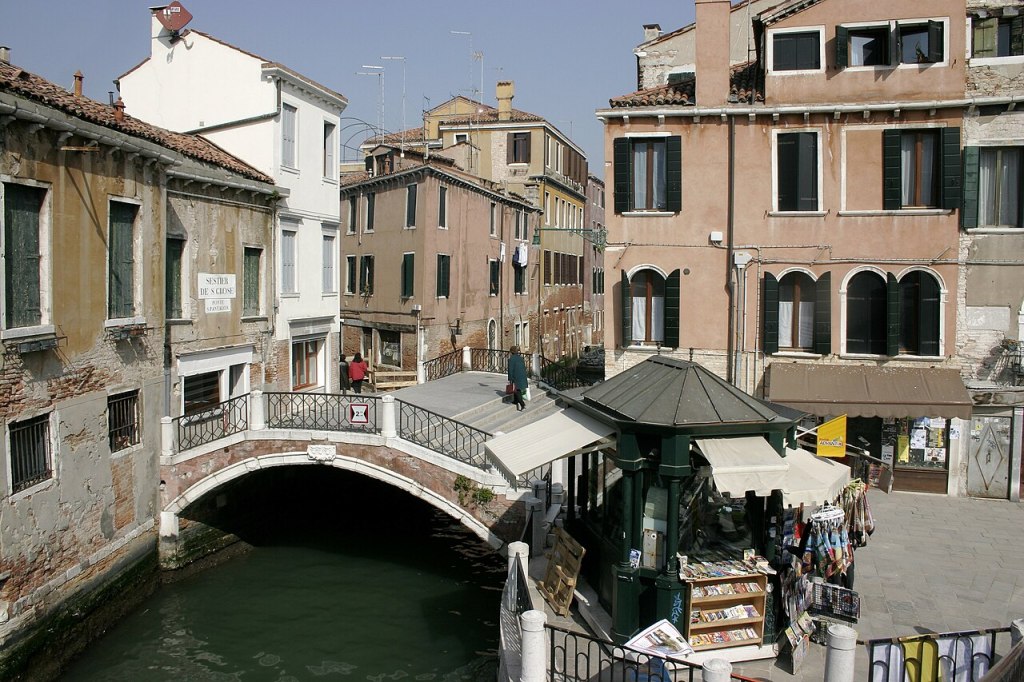
(The newsstand today)
Returning home late in the evening, Riccardo buys a newspaper (where he reads that Lù was hospitalized for having attempted suicide) at the newsstand in Campo San Pantalon, Dorsoduro district.
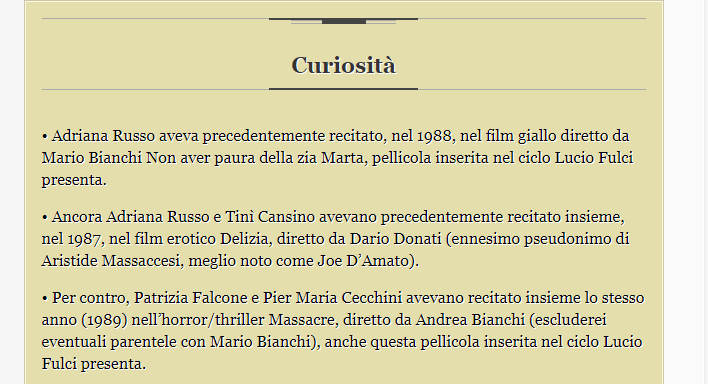
- Adriana Russo had previously starred in ‘Don’t Be Afraid of Aunt Marta‘, also directed by Mario Bianchi, as part of the ‘Lucio Fulci Presents…‘ series of films (which Fulci had simply lent his name to, and little else)
- Adriana Russo and Tinì Cansino previously starred together in the erotic film Delizia, directed by Dario Donati (yet another one of Aristide Massaccesi’s pseudonyms, better known as Joe D’Amato).
- On the other hand, Patrizia Falcone and Pier Maria Cecchini had acted together the same year (1989) in the horror/thriller ‘Massacre‘, directed by Andrea Bianchi (no relation to Mario Bianchi). Also another one of the ‘Lucio Fulci Presents…’ films produced at around the same time.
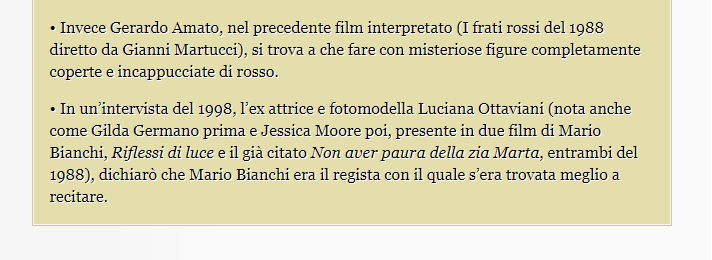
- Gerardo Amato previously appeared in ‘The Red Monks’, directed by Gianni Martucci and is also part of the ‘Lucio Fulci Presents…’ cycle of films.
- In a 1998 interview, former actress and photo model Luciana Ottaviani stated that Mario Bianchi was the director with whom she felt best acting. (Ottaviani was also known as Gilda Germano initially, and then as Jessica Moore) She appears in two films directed by Mario Bianchi, ‘Riflessi di Luce’ and the aforementioned ‘Don’t be Afraid of Aunt Marta’.
Career interview with Tini Cansino, courtesy of RadioIncontro Terni
(off-site backup HERE)
Open Online Interview with Tini Cansino (source: open-online)
Tinì Cansino, alias Photina Lappa, has also claimed to be Rita Hayworth’s niece. “I looked like her, and that was my luck. The first time it was pointed out to me, I was 16 and I was trying on lipstick in the perfumery down the street. I didn’t even know her; I was too young. It was my Italian agent, Alberto Tarallo, who I owe a lot to, had the idea. It was a lie, and I was a little embarrassed,” she said today in an interview with Corriere della Sera.
On TV, “I was very careful to do the right things; I had studied dance, I knew discipline and commitment. I didn’t realize it was such an important audition. I brought a simple ballerina leotard from home. Then for the show they made me wear beautiful dresses, handmade by the seamstresses on stage.” Also because “I was sexy, but all girls are. Back then, some people were shocked, because there were more taboos. Femininity is a gift, it shouldn’t be hidden.” Even though “I didn’t even realize I was a sex symbol; I was too naive. At that age, you almost never like yourself. I didn’t feel beautiful. I wasn’t tall and I had straight, straight hair, but I wanted to be curly.”
She says she even received a few marriage proposals: “I received so many letters, some very touching, even from prison. One boy wrote to me: ‘I love you like the Madonna.’
She also remembers Silvio Berlusconi: “He was our Emperor, everyone called him that. He personally selected the tapes with the auditions; he was a true artist. He invited us to lunch in Arcore to sign the contract. At the table, he said that, from the pile they’d given him, he’d taken the ones at the bottom. Including mine. I was lucky.” “In the meantime, I had met my now ex-husband Claudio. I got married, and after Voula, I had two more children, Tamara and Nicolas. I chose to dedicate myself to my family, and no, I haven’t regretted it.” And she took on other jobs: “A sales assistant. A cashier in a butcher’s shop, and I’m a vegetarian. In fact, I lasted two and a half days.”
A chat with Gerardo Amato, courtesy of Televisionet
(off-site backup HERE)
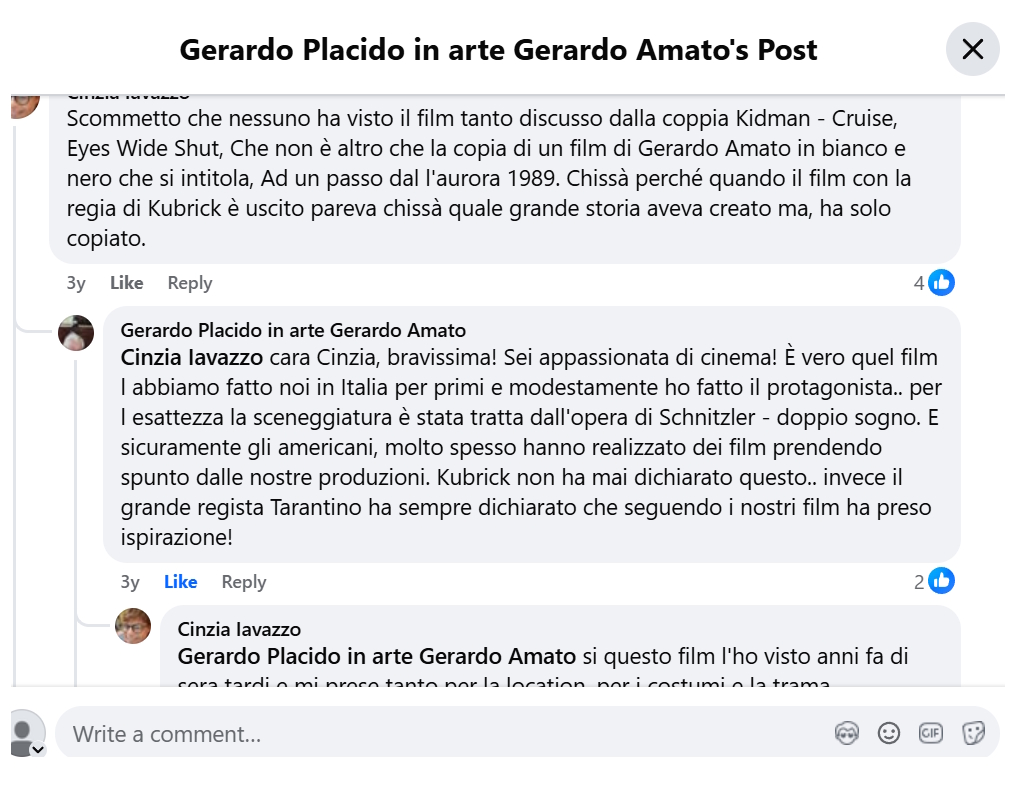
Lead actor Gerardo Amato/Placido acknowledges that Kubrick may well have taken some uncredited inspiration from Nightmare in Venice. Whatever you say, Gerardo…
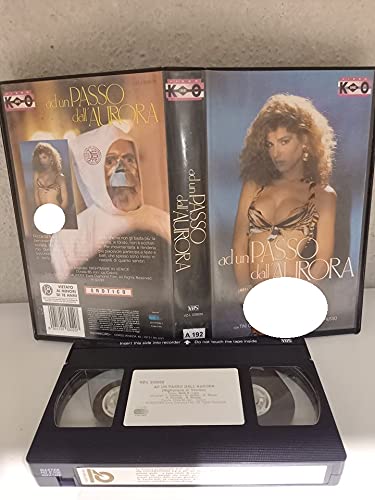
Italian VHS – Kineo Video
Although it did receive a VHS release in Italy (above), Nightmare in Venice was never submitted to the state censors, as is customary for just about all films made in Italy, so there is no official record of the film in the national film archives.
 One Man and His Droid