“Money doesn’t buy happiness. But happiness isn’t everything” (Jean Seberg)
Spanning a little less than a decade, the strappalacrime sub-genre (better known as tearjerkers to English speakers) is one of a lesser documented group of films from the 1970s which had their fleeting moment in the spotlight not just in Italy but also internationally.
Released in 1973, Raimondo del Balzo’s ‘The Last Snows of Spring’ is widely regarded as the catalyst for this relatively short-lived genre. A huge (and largely unexpected) success at the Italian box-office, ‘The Last Snows of Spring’ appeared to strike a deep chord with the Italian audiences in much the same way Arthur Hiller’s Oscar-winning, and similarly plotted, ‘Love Story’ had done just two years earlier. Given the similarities, it’s hard to believe that this wasn’t yet another predictable attempt by Italian producers to cash-in on the very same premise: someone (always a little boy in the Italian variants) is diagnosed with a terminal illness, or winds up in a hospital bed through some mishap or other, and audiences get to cry their eyes out as the kid usually buys it at the end.
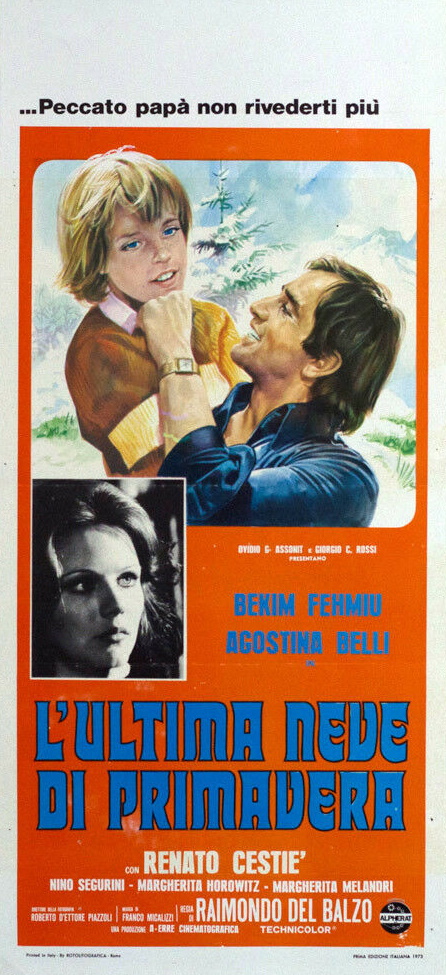
The Last Snows of Spring (Medioevo7)
Of course, the roots of this small sub-genre are firmly cemented in the melodramas (or melò as they have become known in critics’ circles) which dominated Italian cinema screens during the 1940 and 50s. As new genres emerged, like the peplum, western or polizesco, this genre which was at one point the biggest box-office draw, seemed to fall into relative obscurity until it reappeared if only for a brief moment…
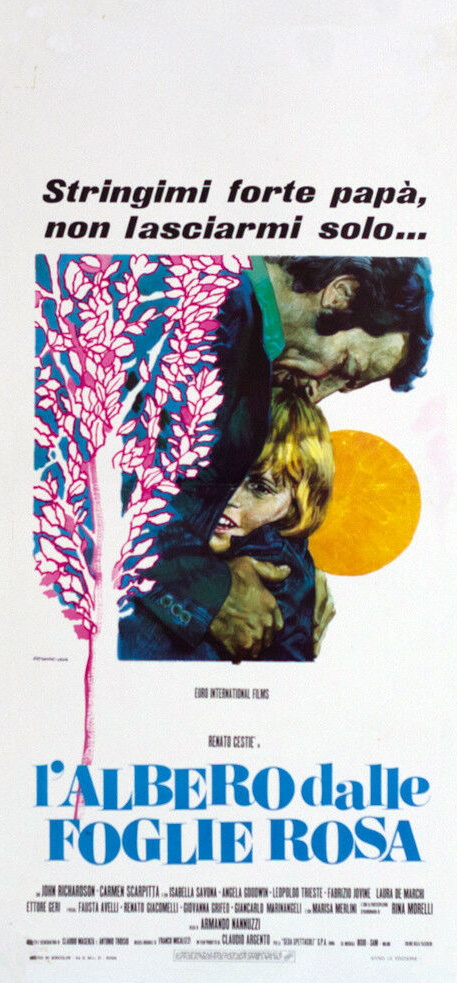
The Tree With Pink Leaves (Medioevo7)
 One Man and His Droid